Museo de la Nación
The Museo de la Nación (Museum of the Nation) was a museum of Peruvian history and archaeology, located in the San Borja area of Peru. It opened in 1990 (right: logo at opening) and, after a period of decline, closed for good in 2014.
History

The Museo de la Nación was inaugurated in 1990.1 It opened in the Complejo Administravo del Sector Público Pesquero (right), a brutalist building that was built in 1970 to house the Ministry of Fisheries.2 It would later house the Bank of the Nation until 1988.1
The permanent exhibit halls closed in 2008, so that the building could be used for two international meetings: the Meeting of the Presidents of Latin America, Europe and the Caribbean, and that year's APEC summit. The Fisheries Building was deemed the safest and most suitable place to hold these events. This required exhibit and collections space to be retrofitted into offices and meeting rooms. During this time, three exhibits remained on display, on three of the building's six floors. The first, on the sixth floor, was a photographic exhibit about the Shining Path insurgency. The second was a chronological gallery of artifacts, tracing Peru's history (including Spanish colonization). The third was a small room with indigenous art from the past century.3,4
A plan to revamp the exhibit space, to cover Peruvian history from ancient cultures to the modern day, was announced in 2009,5 but this didn't go anywhere. In 2010, the Ministry of Education moved into these remodeled spaces. A portion of the artifacts remained on display, but in a much smaller space on the third floor. These included items from the Nazca, Moche, and Wari cultures.6 There were no dioramas or replicas, and instead of being arranged by culture, the items were arranged by type and theme (instruments, animal motifs, etc.). There was evidently very little interpretation in these new displays.7 The sixth floor continued to be used as a temporary exhibit space.8
In 2014, the Fisheries Building was deemed unsuitable to house artifacts, as it didn't contain proper climate controls to safeguard them.2 On July 8, the permanent exhibit space was declared closed for good. The exhibit space was remodeled to serve as the headquarters for the Ministry of Culture. The building has since been redesignated a "Cultural Center", where temporary art and photography exhibits are held on the sixth floor, as well as conferences, film screenings, and art workshops.9,10
In July 2021, a new museum, the Museo Nacional de Perú (MUNA), opened in the Lurín Distict of Lima. Approximately 20,000 artifacts that were formerly held at the Museo de la Nación were sent to the MUNA.9 These were joined by pieces from the Museo Nacional de Arqueología, Antropología e Historia del Perú, various federal collections, and a collection of Andean textiles that were repatriated from the Värdlskulturmuseerna in Sweden.11 Four galleries were available initially, with more to progressively open over the next few years as transfer of artifacts continues.11 The new museum also has a greater emphasis on temporary rotating exhibits, to maintain a cultural relevance.
Exhibits
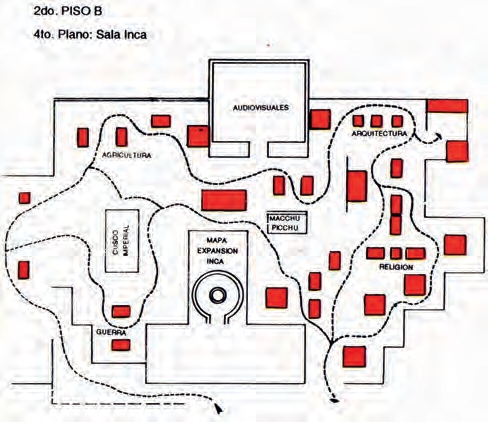
The entryway to the Museo de la Nación was a massive atrium, with a giant replica of the Sol de Echenique hanging from above. The first to fourth floors contained the permanent Old Peru galleries, covering Peruvian culture and history from the first human settlements to the Inca Empire. You would start on the first floor and then make your way up, going forward in time as you went.
| First Floor | Second Floor |
|---|---|
| 
|
| Third Floor | Fourth Floor |
| 
|
(Cabanillas Delgadillo, 2016)
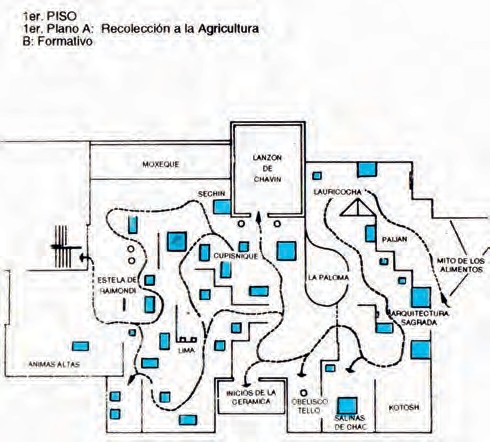
First Floor: Harvesting Agriculture
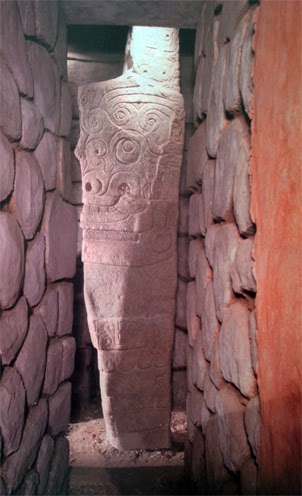
This floor focused on early Peruvian cultures, including the Lauricocha, Kotosh, and Cupisnique cultures. Specific exhibits included:
- A diorama of domestic life at La Paloma, one of the oldest archaeological sites in Peru7
- Chavín Culture: Featuring ceramics and replicas of objects found at Chavín de Huántar, including the Lanzón7 (right), the Raimondi Stele, and the Tello Obelisk
- Sechin Culture: Included a replica of the interior walls of the Mojeque pyramid7
- Animas Altas: Early cultures of the Andes Mountains
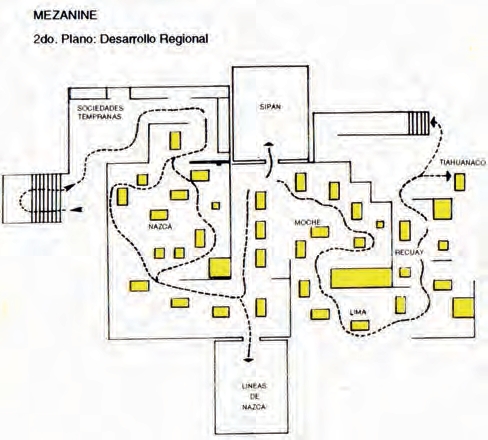
Second Floor: Regional Development
This floor focused on early societies that developed in different areas of Peru, including:
- Sala Nazca: Wall diagrams demonstrated the complexity of Nazca iconography visible in the displayed artifacts.7 There was also a room
- Sala Moche: Featured erotic pottery,12 a replica of a mural on the Huaca de la Luna,7 depicting the Moche "Revolt of the Objects",13 and a replica of the burial chamber of the Lord of Sipán7
- Lima Culture
- Recuay Culture
- Tiwanaku Empire
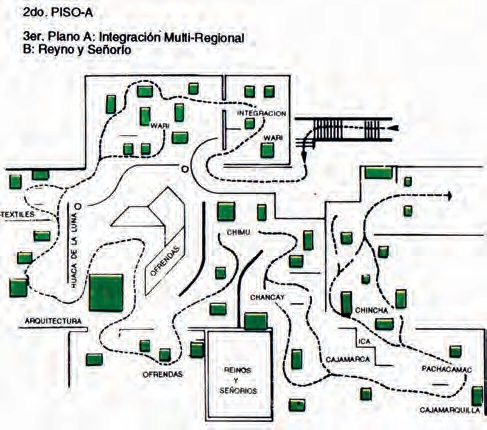
Third Floor: Multi-Regional Integration
This floor focused on cultures from coastal Peru, including the Chimú and Chancay cultures. Exhibits discussed the archaeological sites at Cajamarca, Cajamarquilla, Pachacamac, Ica, and Chincha. The largest portion of the floor was the Sala Wari, which featured exhibits on pottery,7 textiles, architecture, religion, and the Huaca Pucllana.
Fourth Floor: Sala Inca
The fourth floor was entirely dedicated to the Inca Empire. It featured miniature scale models of Machu Picchu, Imperial Cuzco, and Ollantaytambo, a map of expansion of the Inca Empire, and an extension collection of artifacts from between 1300 and 1532.7 Other exhibits discussed Inca agriculture, war, architecture, religion, and clothing.
Gallery
YouTube video showing the reduced exhibit, October 28, 2013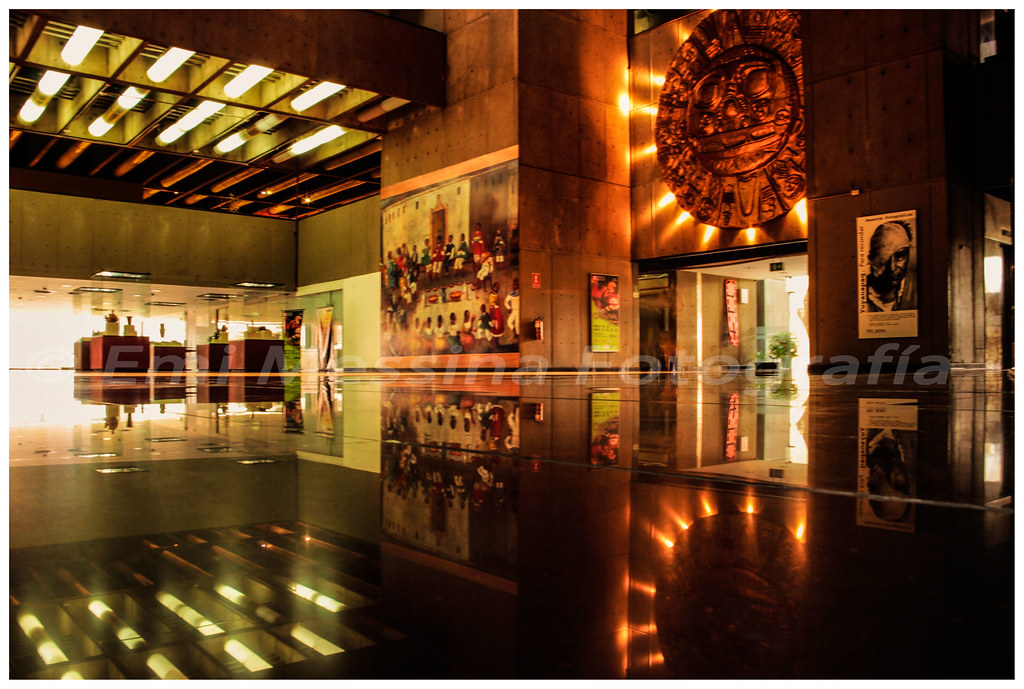
Lobby
Photo by Emi Messina
March 10, 2012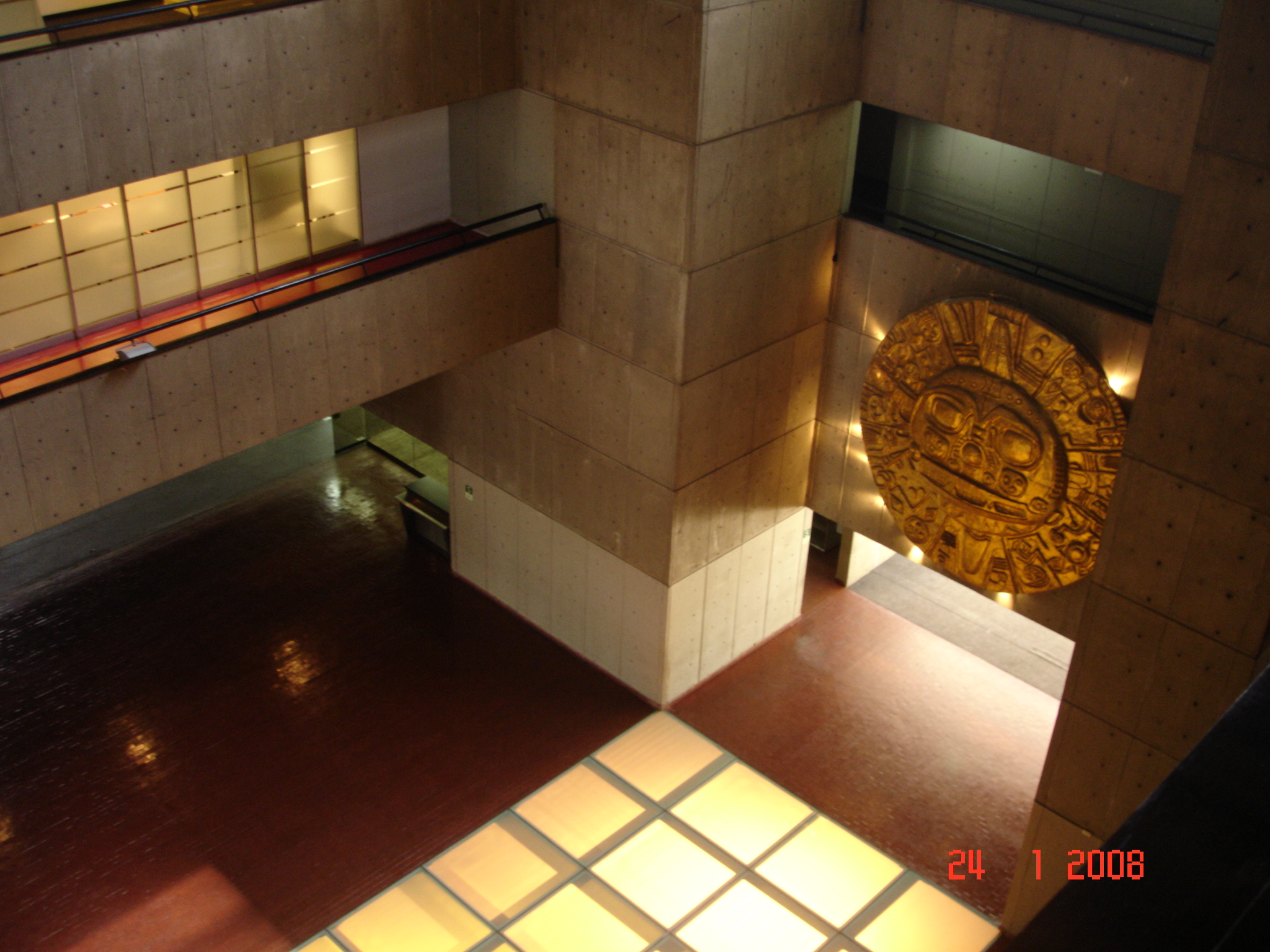
Another shot of the lobby
January 24, 2008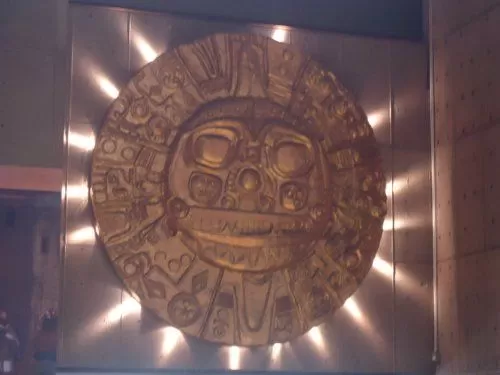
Sol de Echenique replica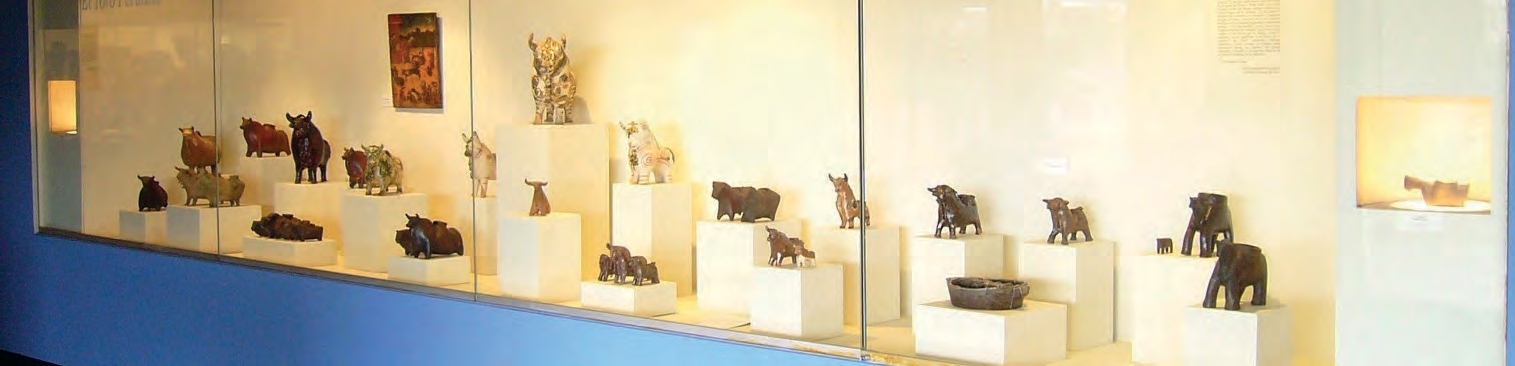
Artistic representations of bulls
(Cabanillas Delgadillo, 2016)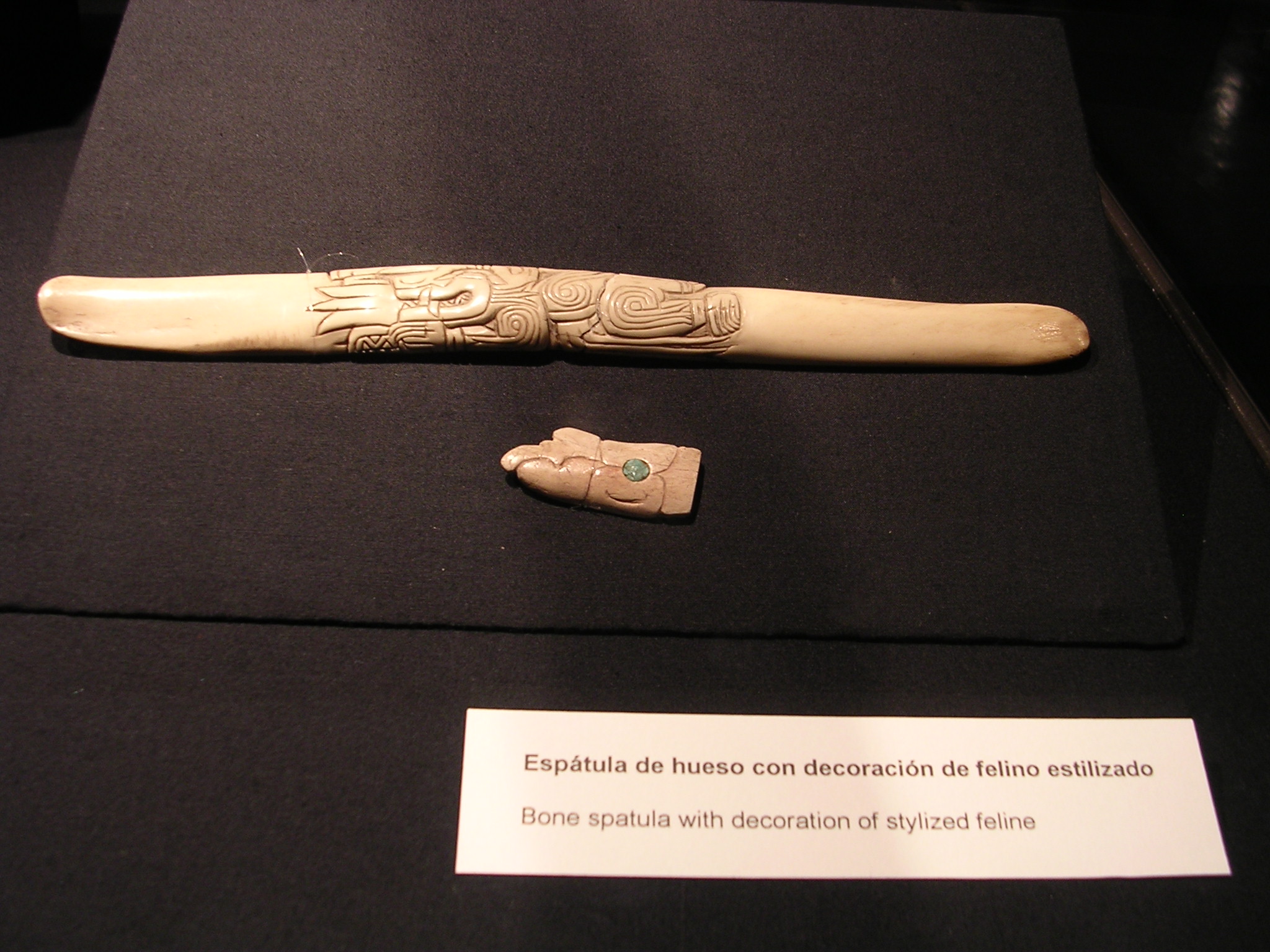
Bone spatula with stylized feline designs
Photo by Dozenist on Wikimedia Commons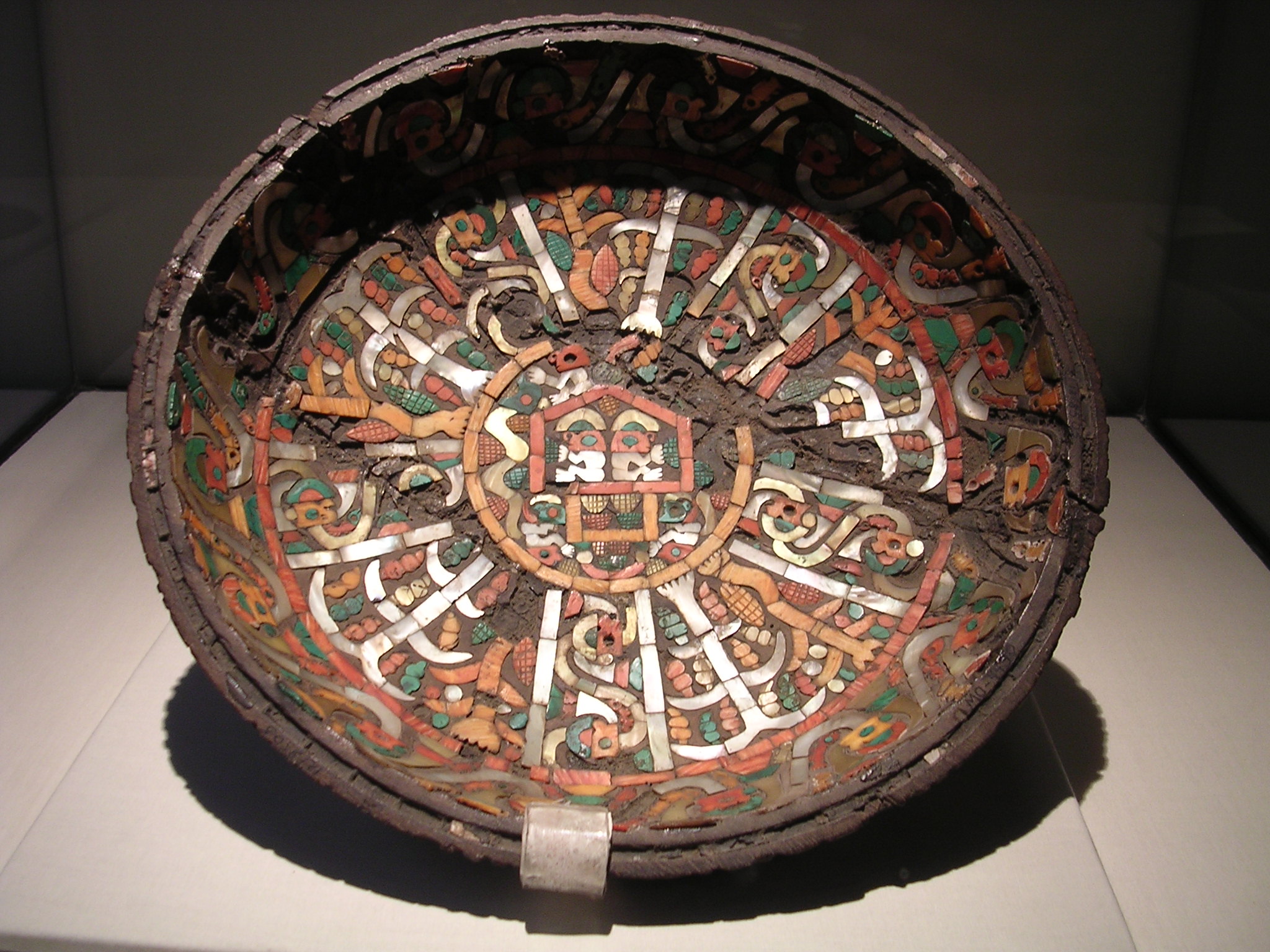
Bowl
Photo by Dozenist on Wikimedia Commons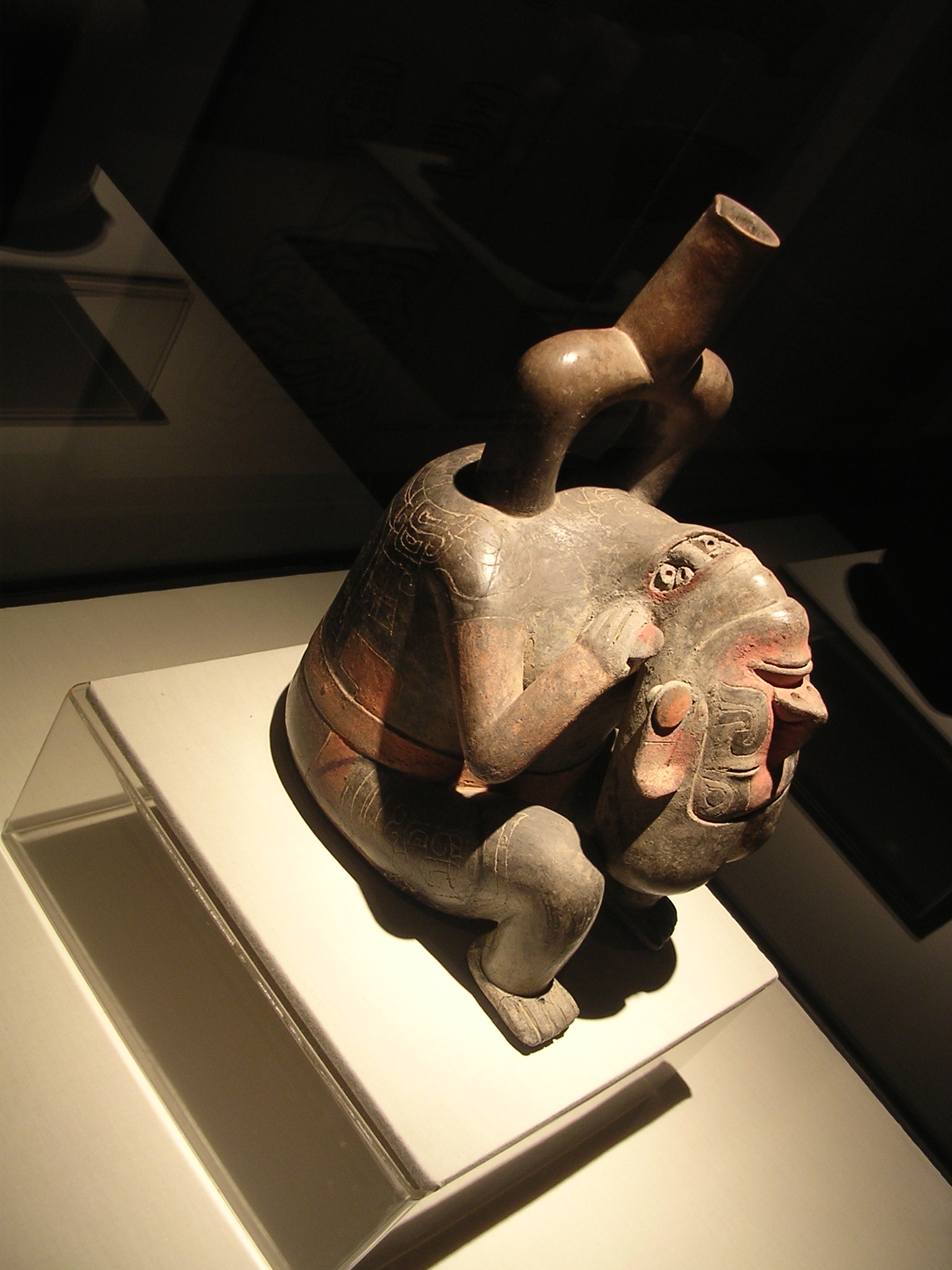
Jug featuring a decapitation victim
Photo by Dozenist on Wikimedia Commons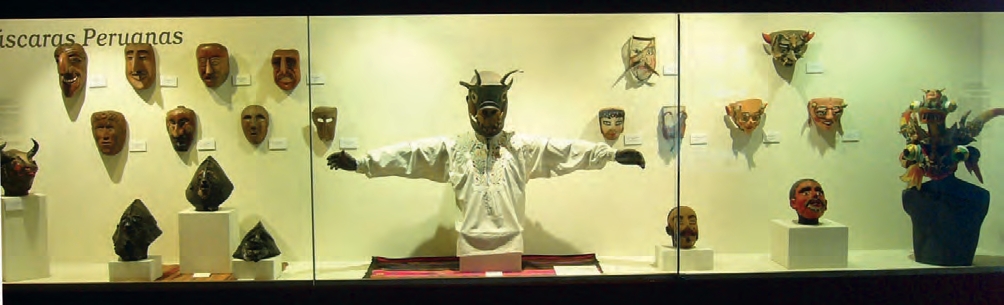
Masks
(Cabanillas Delgadillo, 2016)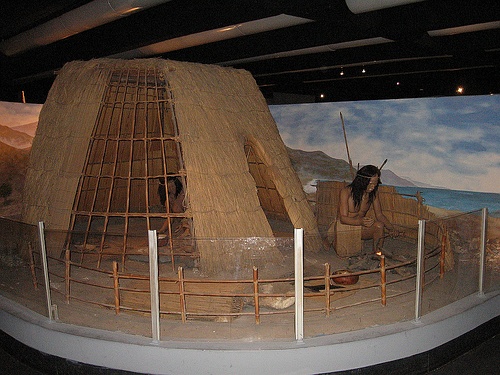
La Paloma diorama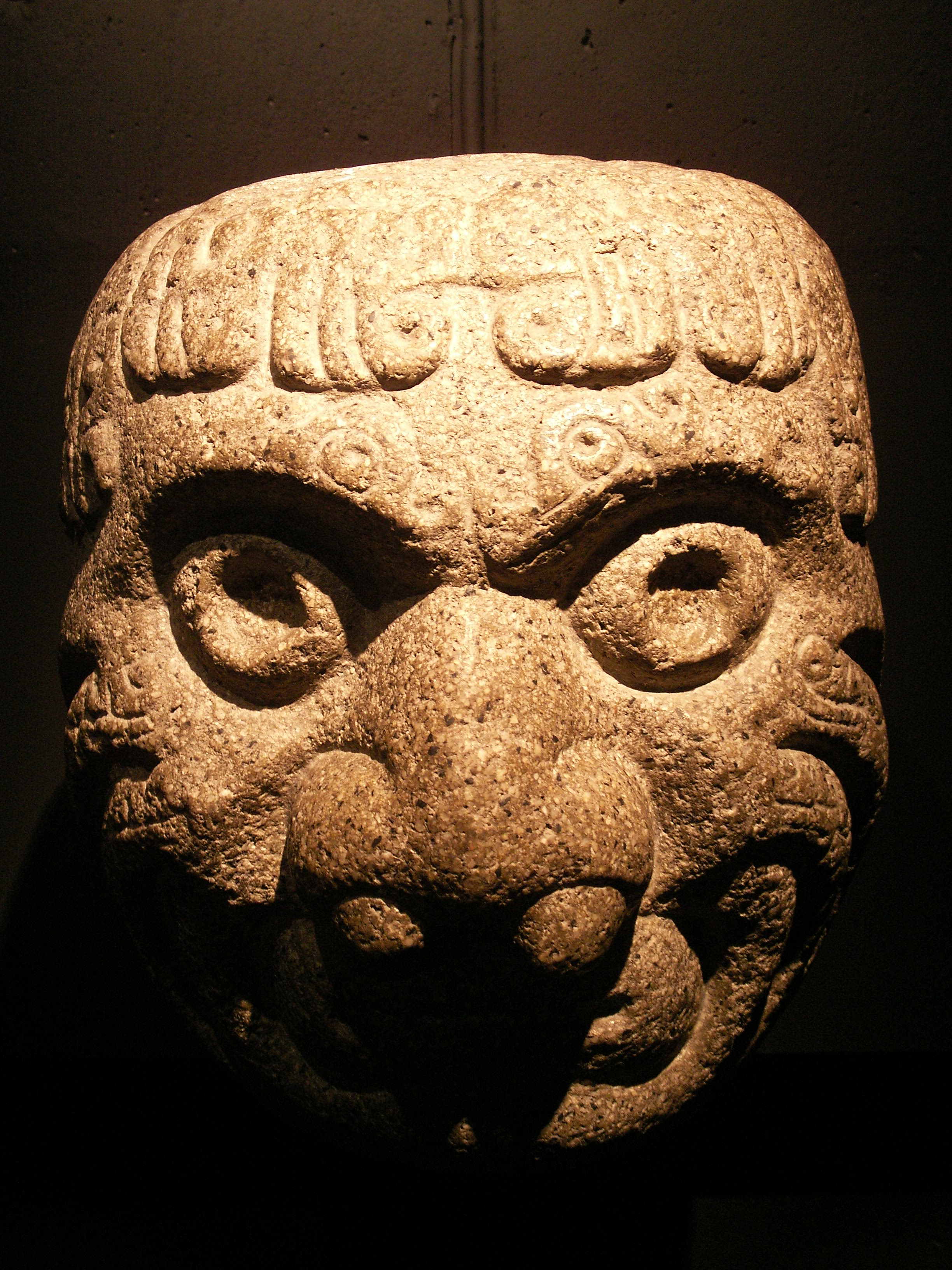
Chavin stone head
Photo by Jorge Mori
March 25, 2006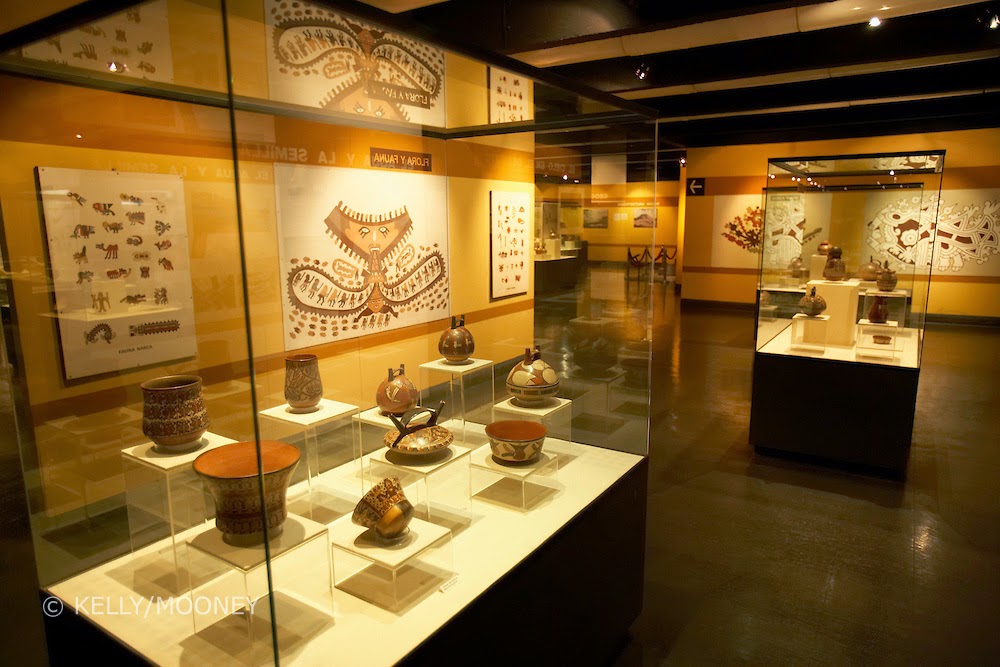
Sala Nazca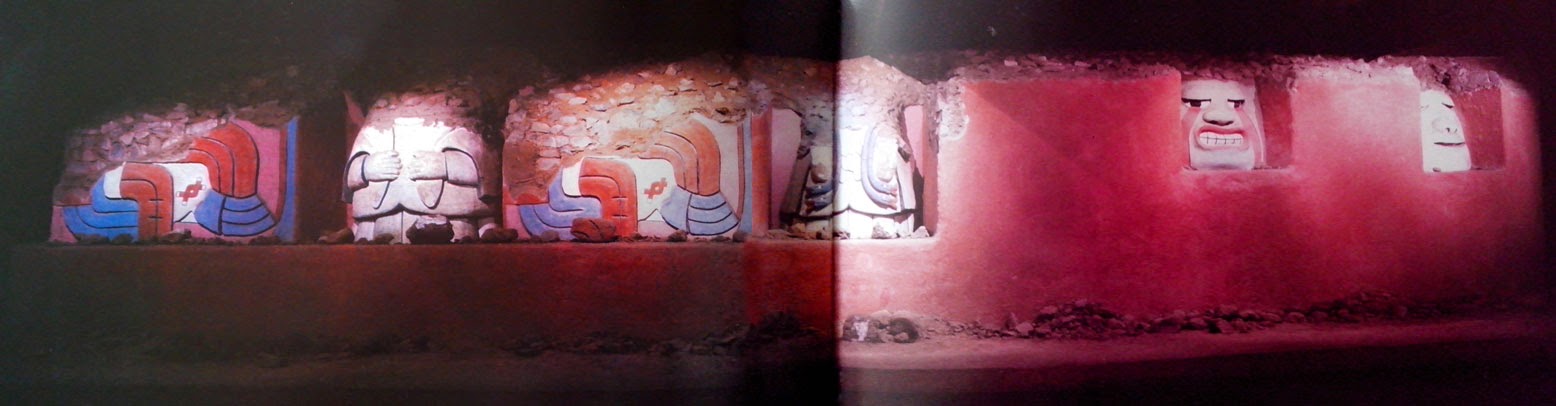
Sala Moche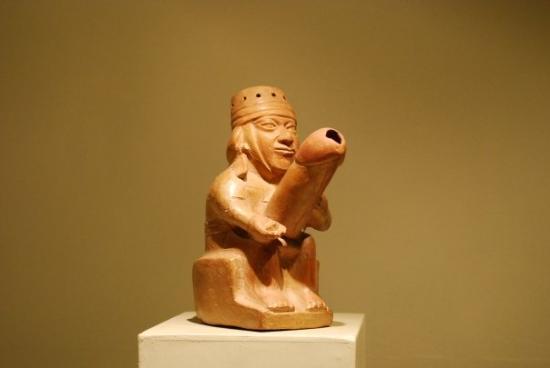
A piece of Moche erotic pottery
(Ignacio Chacón, 2020)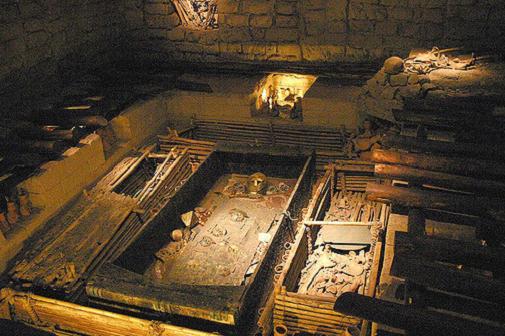
Lord of Sipan's burial chamber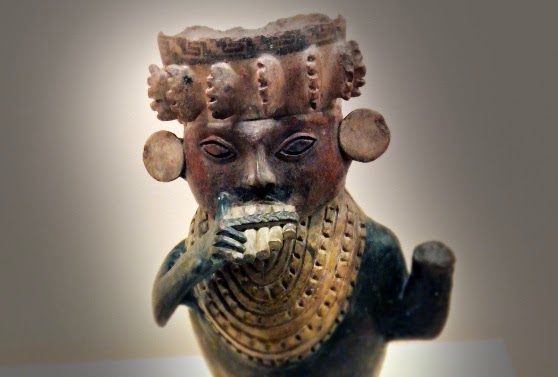
Chancay statue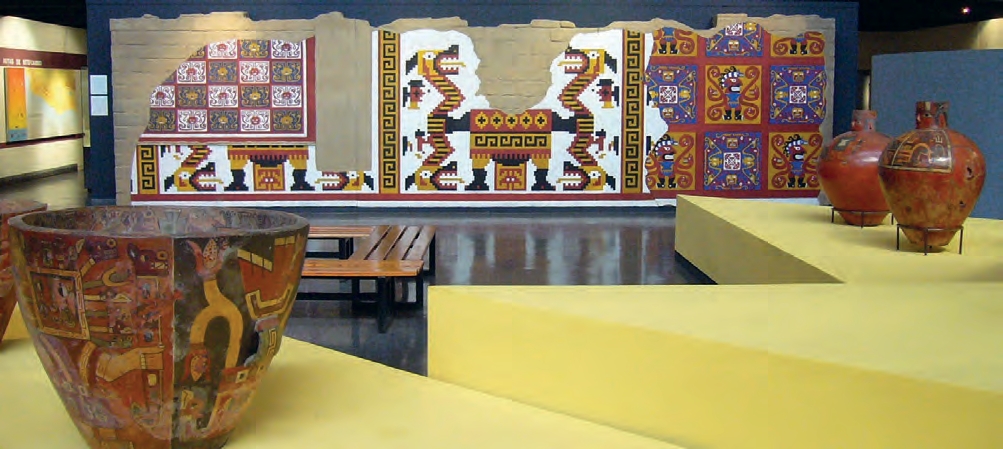
Sala Wari
(Cabanillas Delgadillo, 2016)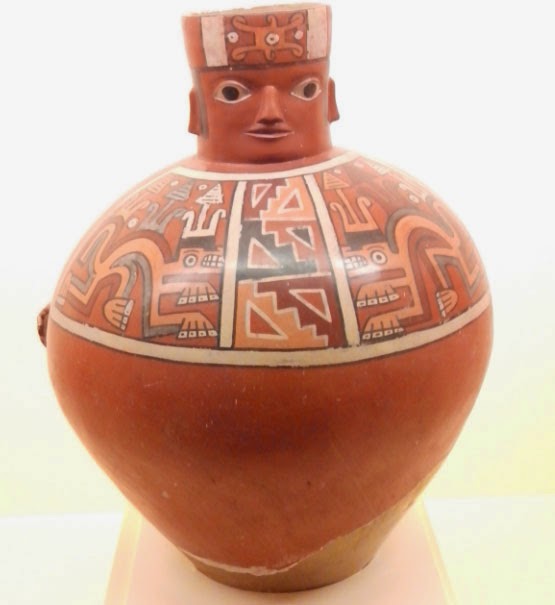
Wari urn
Photo courtesy antiguoperu.com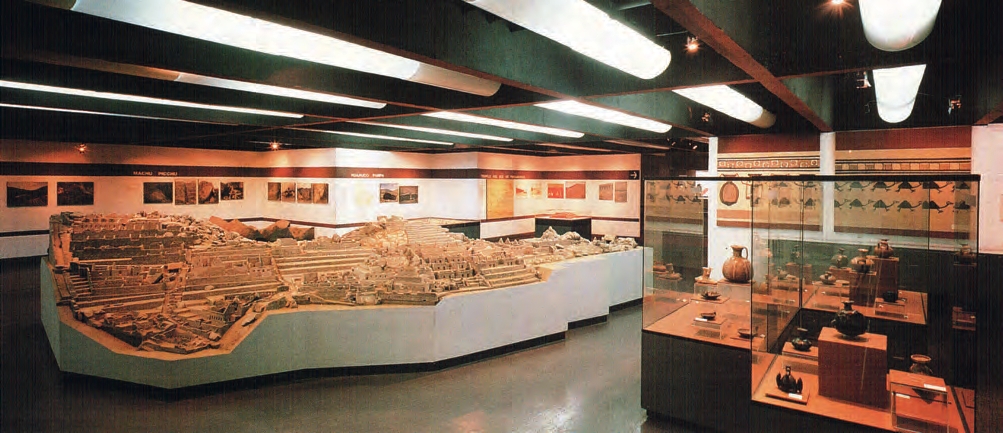
Sala Inca
(Cabanillas Delgadillo, 2016)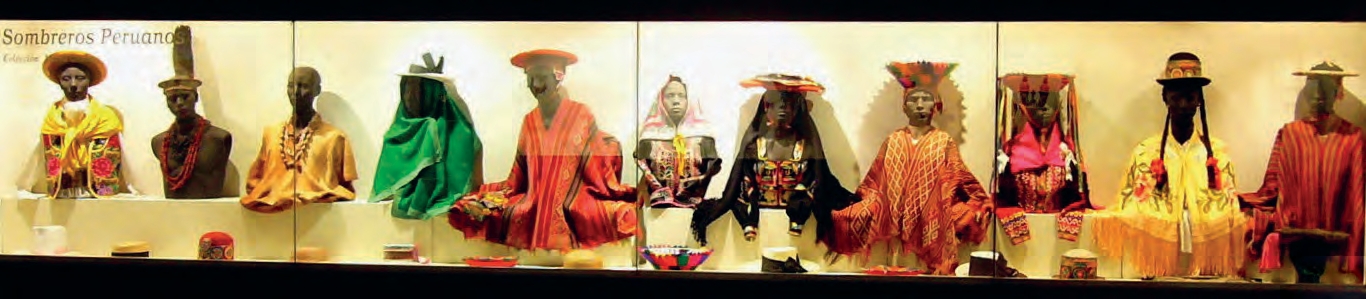
Inca clothing
(Cabanillas Delgadillo, 2016)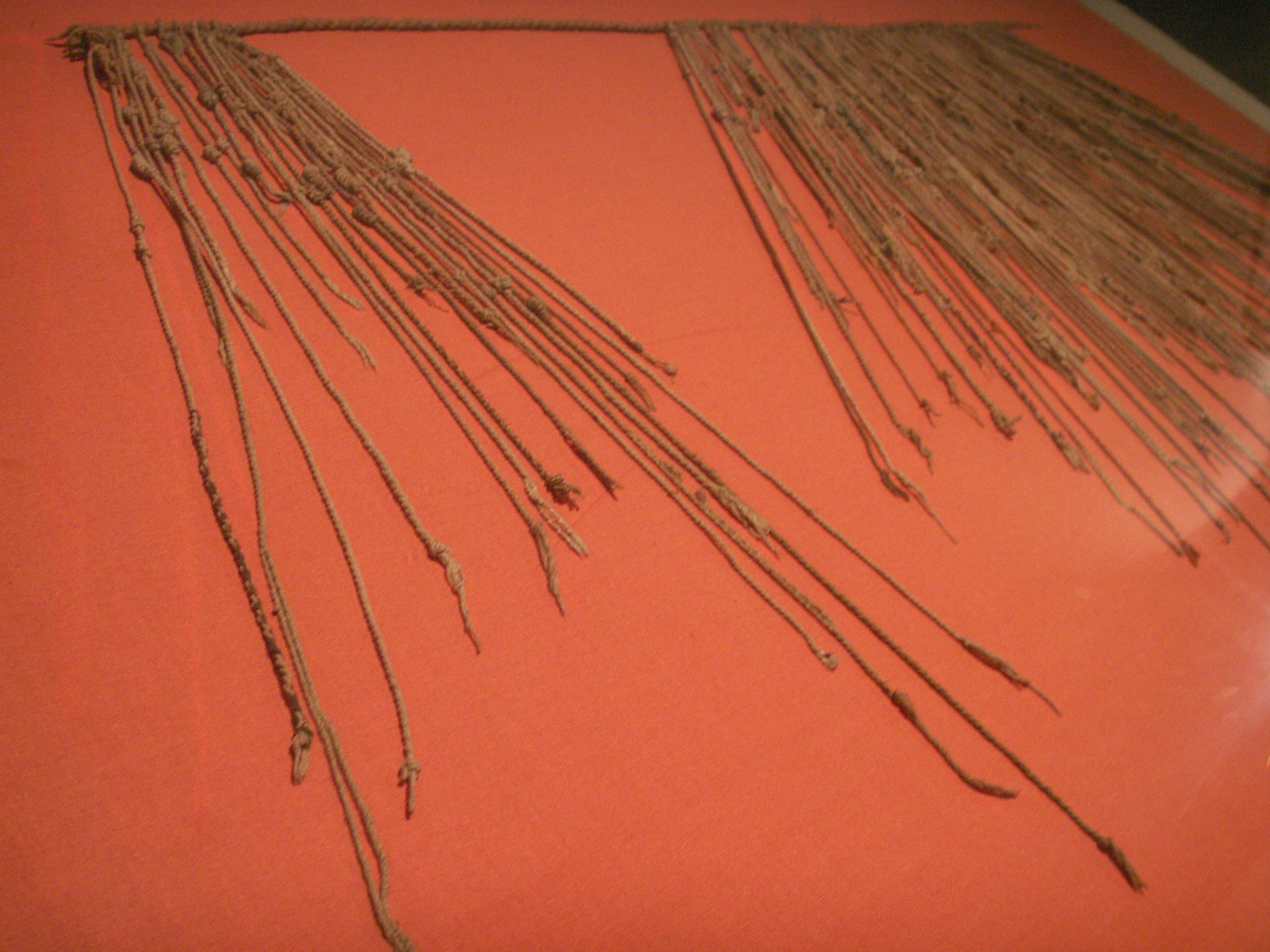
Quipu
Photo by Jorge Mori
March 25, 2006
References
- Espacio Museal (2014). "Fernando Cabieses Molina, fundador del Museo de la Nación".
- Álvarez Calderón, D. (2014). "Museo Nacional del Perú ya cuenta con diseño arquitectónico". La Republica.
- Christine (2010). "Museo de la Nacion". Christine in Huaycan.
- astoltenberg, Tripadvisor review, February 8, 2008.
- Anonymous (2009). "Anuncian relanzamiento del Museo de la Nación". Andina.
- "The Museum of the Nation". LimaEasy.
- Ignacio Chacón, P. (2014). "¿El fin del Museo de la Nación?". Antiguo Perú.
- "El Ministerio de Cultura informa del cierre de la sala permanente del Museo de la Nación". Ministerio de Cultura. Gob.pe.
- Cigarini, T. (2021). "Valorizar el pasado y mirar el futuro: el Museo Nacional de Perú". Arquitextos 28(36): 121-156.
- "Museo de la Nación". En Lima Agenda Cultural
- Angeleti, G. (2021). "Peru's heritage gets a new $125m home". The Art Newspaper.
- Ignacio Chacón, P. (2020). "La cerámica erótica mochica". Antiguo Perú.
- Quilter, J. (1990). "The Moche Revolt of the Objects". Latin American Antiquity 1(1): 42-65.