Royal Ontario Museum

The Royal Ontario Museum is the largest museum in Canada, featuring a wide collection of natural and cultural artifacts. It was built in 1914, and while it's still around today, it has changed significantly from its original form. Most notably, in 2007 a major renovation was completed, and the building developed the Crystal (right), a giant glass-and-steel structure that was supposed to expand floor space and introduce more natural light. Most people don't like it.1 But we're not here to focus on the crystal; we're here to focus on the exhibits that used to be at the museum before the renovation.
From visitor anecdotes and memories, the old museum was filled with the likes of taxidermy birds in old-fashioned display cases, a gallery of Canadian animals, Egyptian mummies, gems and minerals, a bat cave, a planetarium, an immersive fossil exhibit, and a dark wood room with Buddha statues designed to resemble a temple.2,5
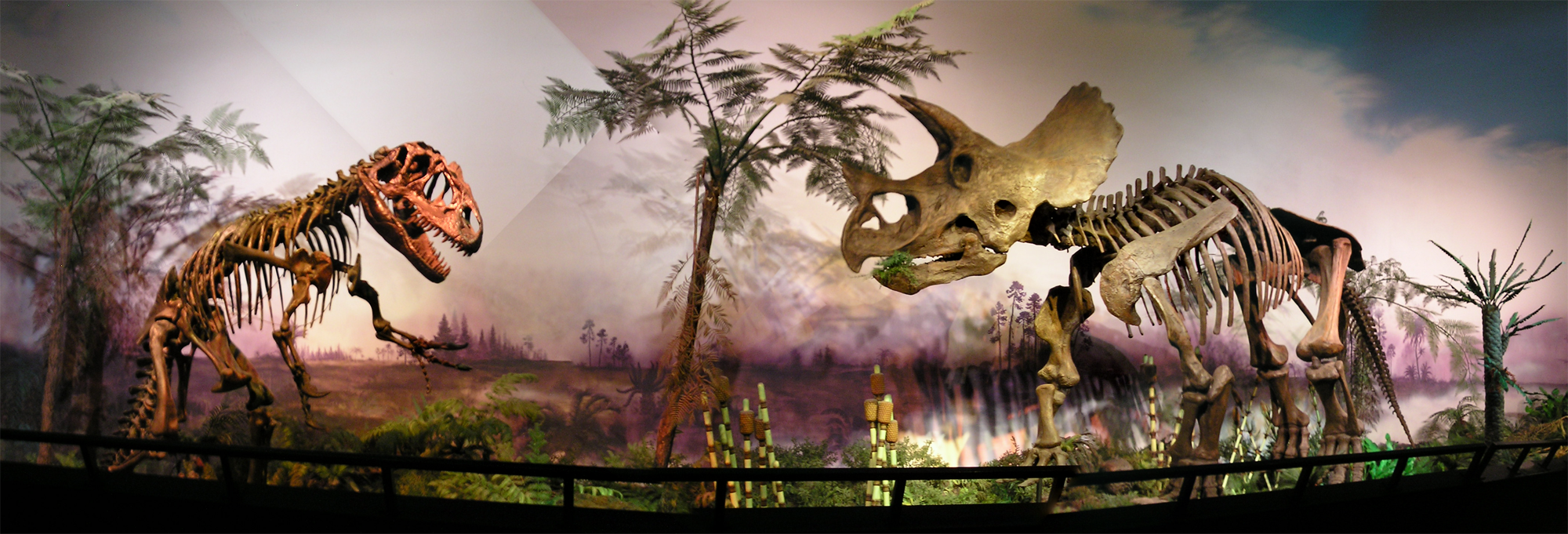
Photo by Keith Schengili-Roberts
January 20, 2007
Dinosaur Gallery
Unlike the relatively sterile and open exhibit at the ROM now, the old paleontology exhibit was dimly lit. It featured the skeletons in dioramas of their environments, with replica plants and painted backgroups.2 Other bits that people remember include miniature life dioramas, a simulated tar pit and human ancestors whose faces changed through a Pepper's ghost effect.3 Skeletons on display included:
- Albertosaurus
- Allosaurus2,4,5
- American mastodon4
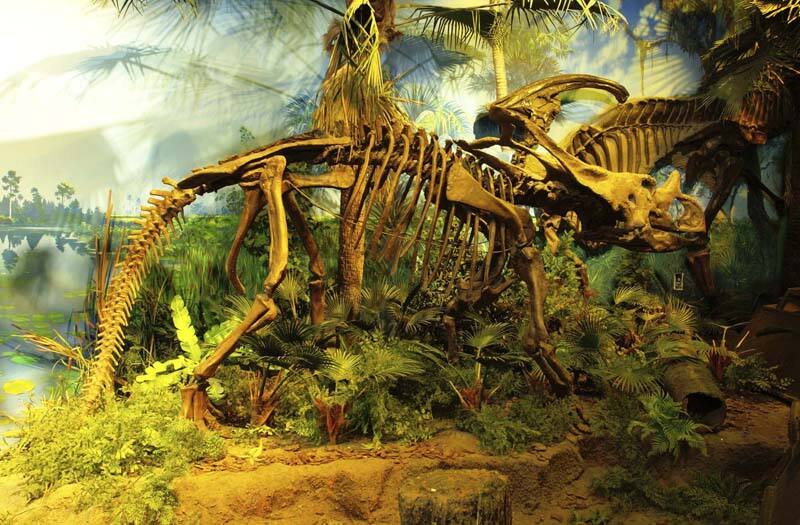
- Chasmosaurus4 (right)
- Edmontosaurus4,5
- Iguanodon5
- La Brea Tar Pits fauna, including dire wolves, ground sloths, and horses
- Lambeosaurus4
- A mosasaur5
- Ornithomimus edmontonicus
- Parasaurolophus4
- A polycotylid plesiosaur. It was located in a dark corner, and lighting effects and sound effects were used to simulate being underwater.5
- Fossil rhinos4,5
- Stegosaurus4
- Stenopterygius
- Triceratops2
- Tyrannosaurus
The exhibit closed on September 2, 2005. After the renovation, most of the skeletons are still on display. But they're now separated from the environmental context conveyed through the dioramas.
Bat Cave
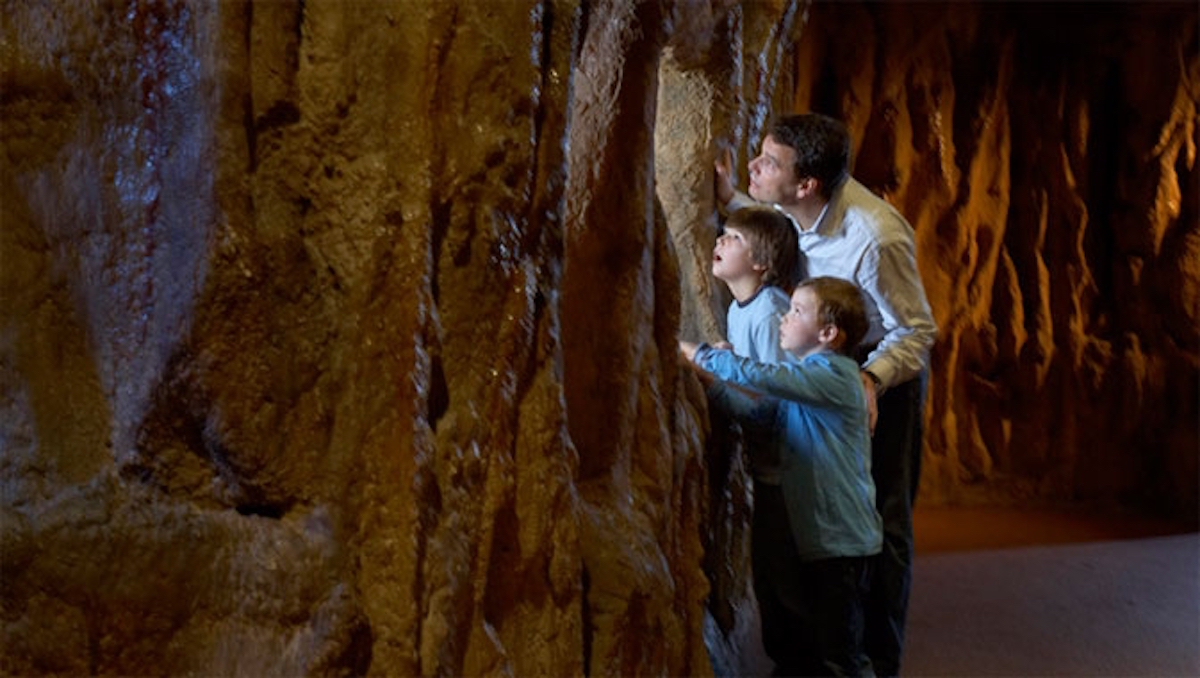
The Bat Cave opened in 1988. The room was a huge fiberglass cave - a replica of the St. Clair Cave in Jamaica, with the walls, scalactites, and stalagmites made from casts of the real deal.6 It featured animatronic bats, taxidermy specimens (some of which were non-bat animals, like an owl or a bobcat5), and audio of dripping water. Every so often, a flock of bats would fly overhead - using a combination of animatronics, taxidermy, and lighting effects to sell the illusion.2 People who went to it as a kid noted it was quite scary - not helped by the collection of vampire imagery at the beginnig of the exhibit.5 The original bat cave closed for renovation, but an updated version - all new cave, all new bats - opened in 2010.3
McLaughlin Planetarium
The McLaughlin Planetarium opened on October 26, 1968.
Due to provincial budget cuts, the planetarium closed on November 5, 1995. The exhibits and seating were removed and the space was used for offices and storage by the Museum. Eventually it was sold to a housing developer, and demolition began in April 2026.
Gallery
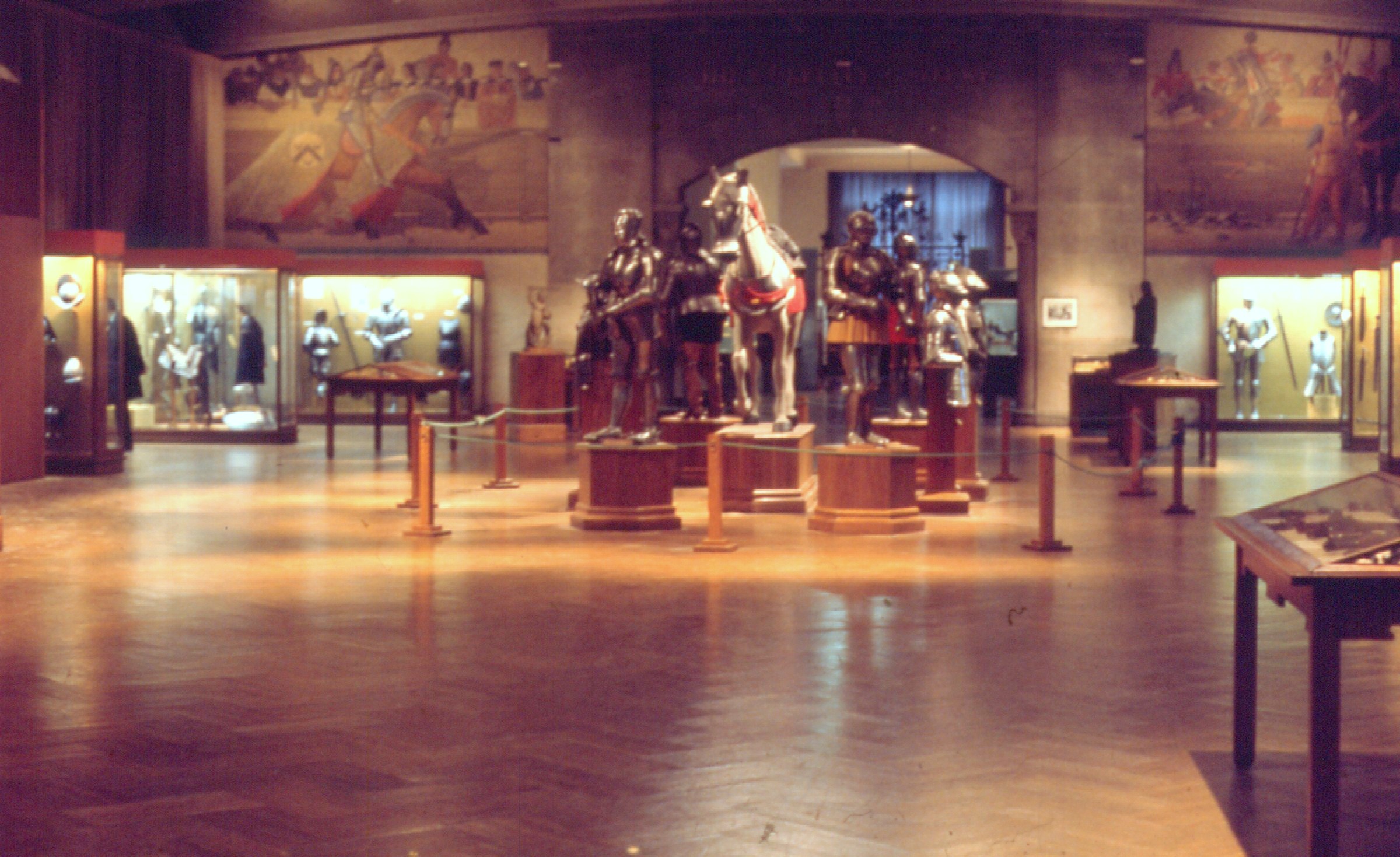
Old main entrance hall, off of Queen's Park
Photo by Robert Taylor
April 1974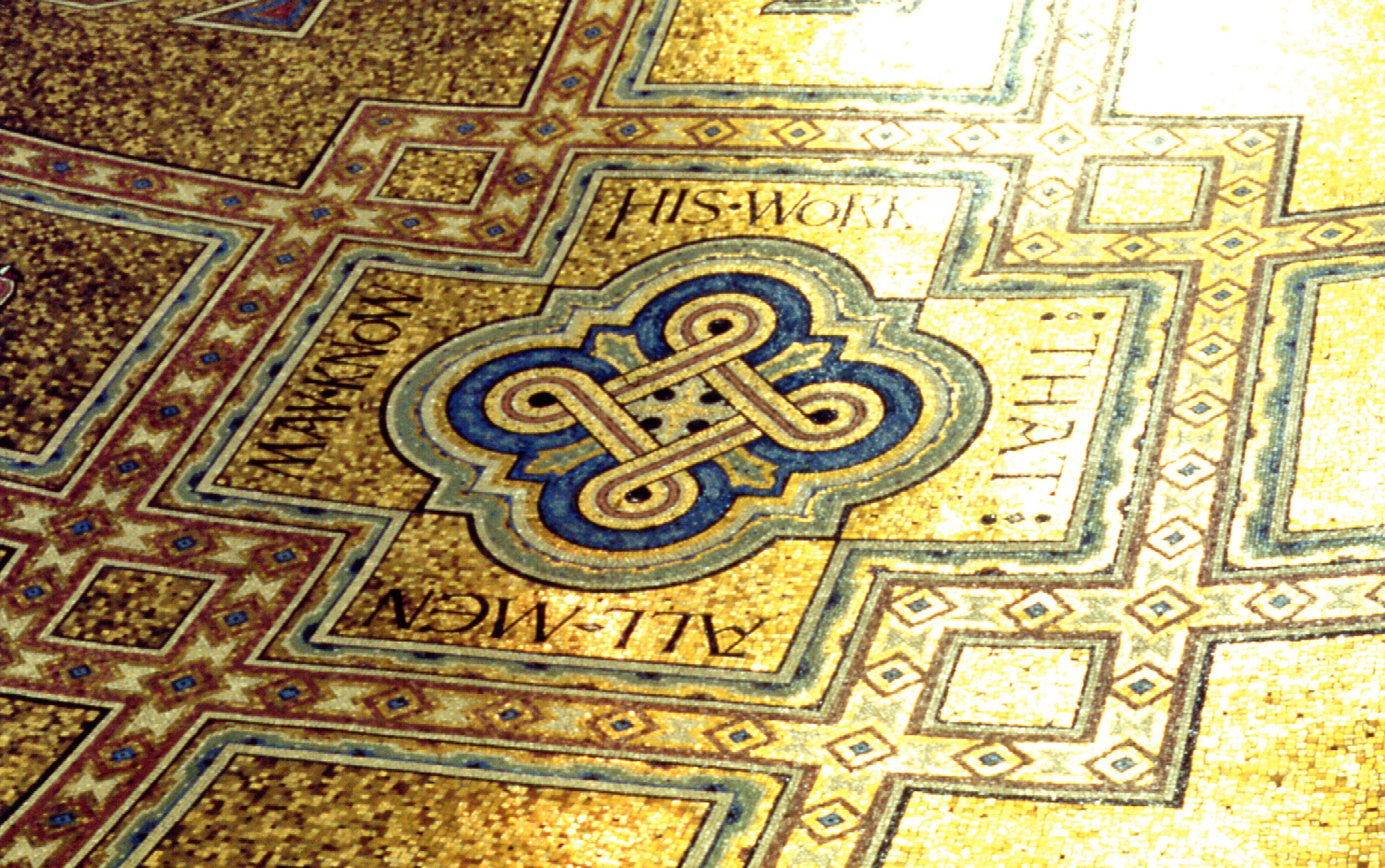
Mosaic in the ceiling of the old entrance hall
Photo by Robert Taylor
April 1974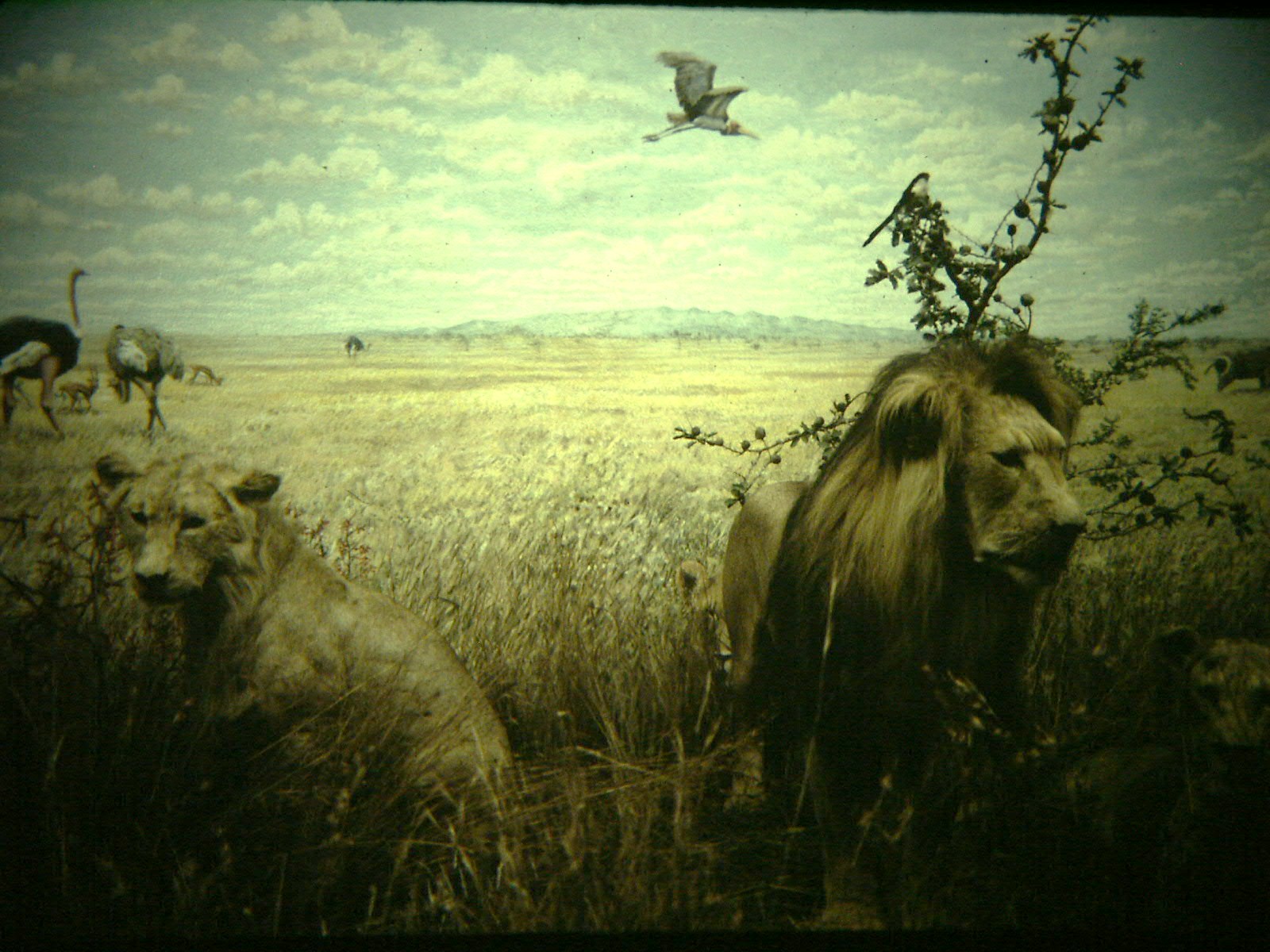
Lions
Photo by Gary Todd
August 19, 1983
Dinosaur Gallery
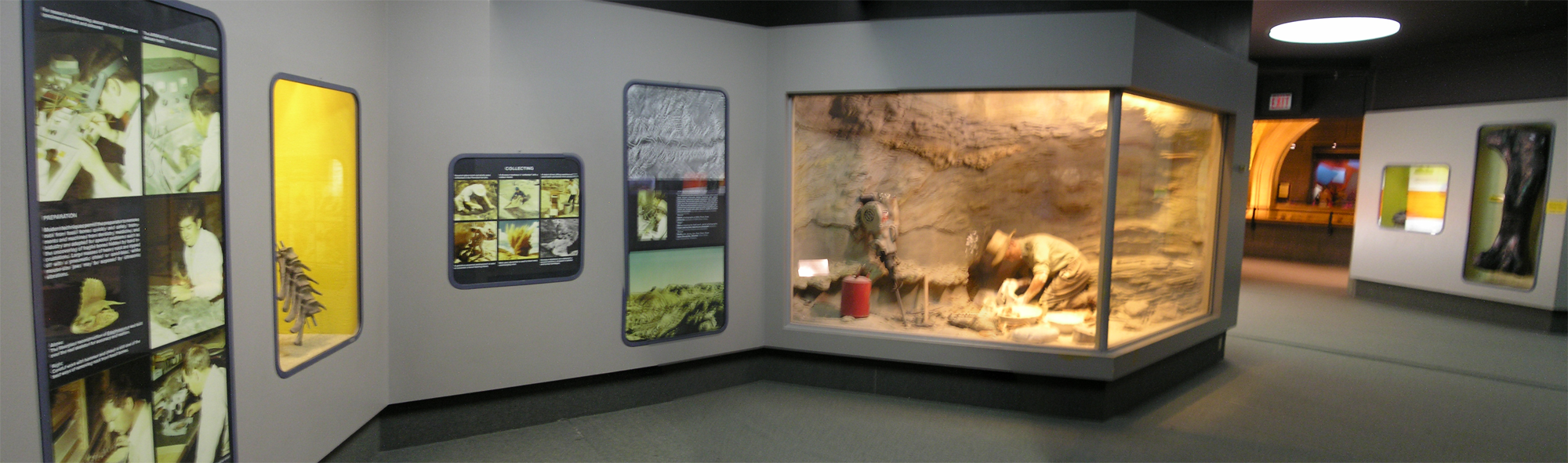
Entrance to the Dinosaur Gallery
Photo by Keith Schengili-Roberts
September 1, 2005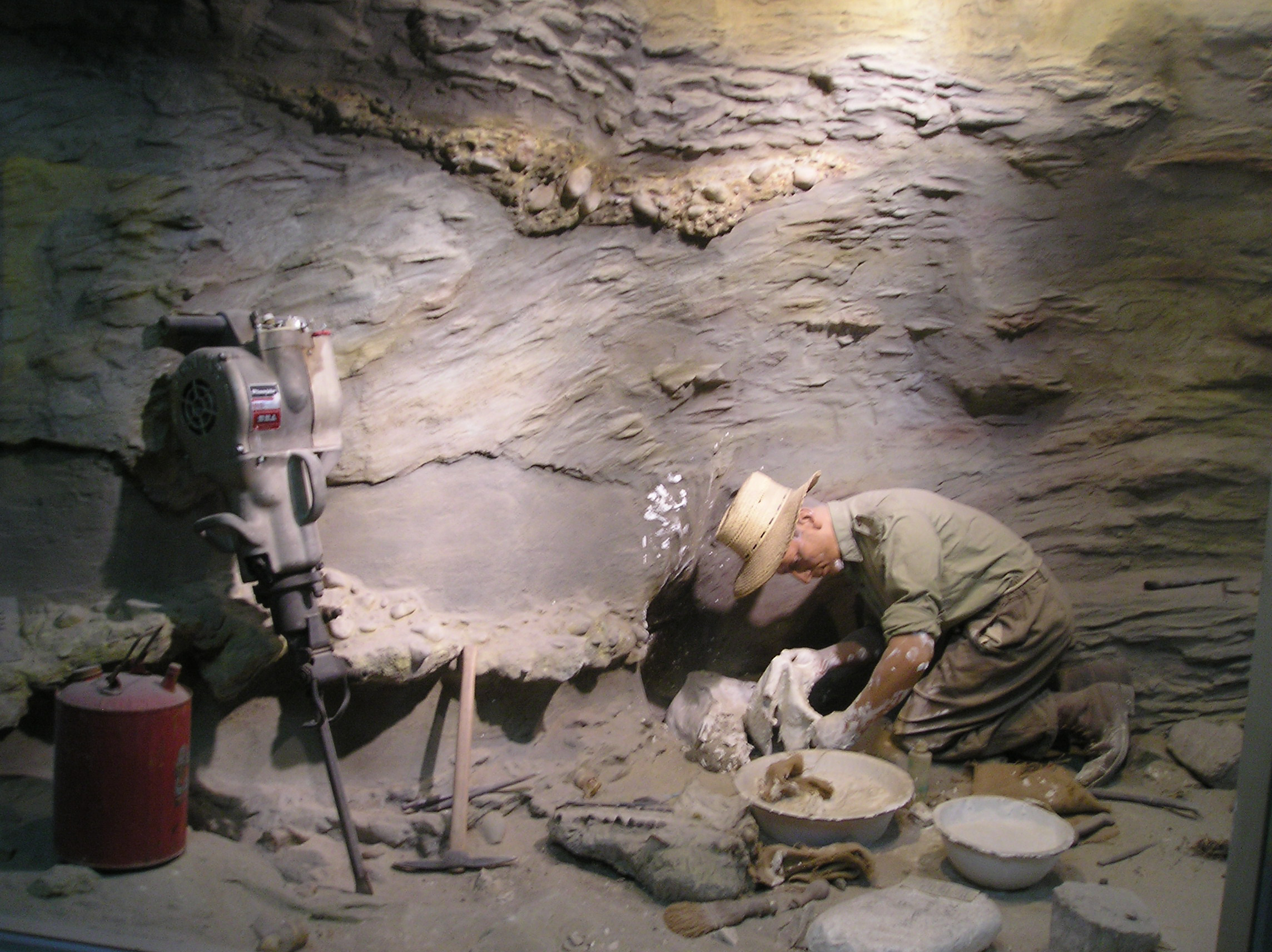
Life-size diorama featuring a paleontologist at work at the Hunter Quarry
Photo by Keith Schengili-Roberts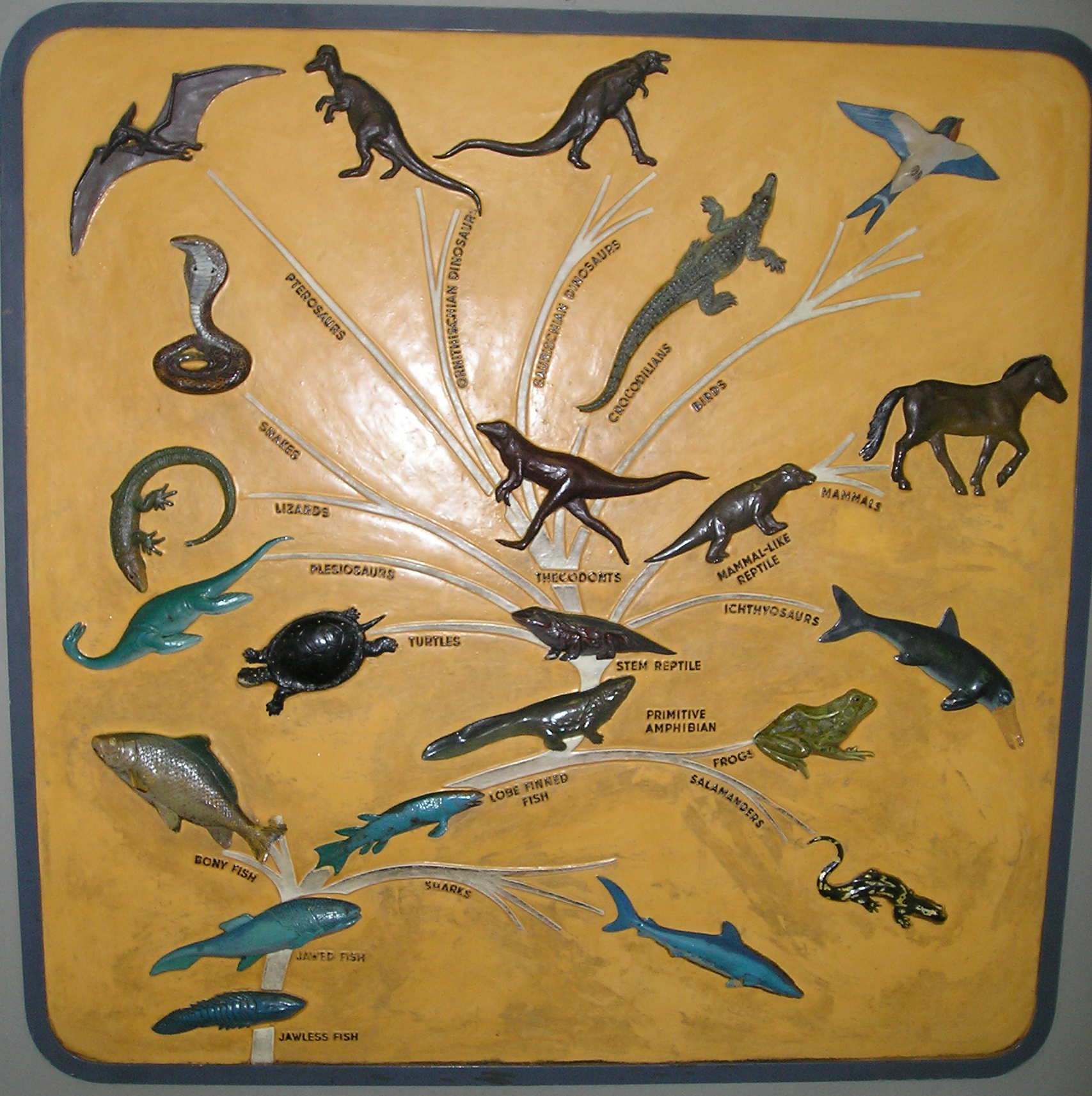
"Tree of life" display
Photo by Keith Schengili-Roberts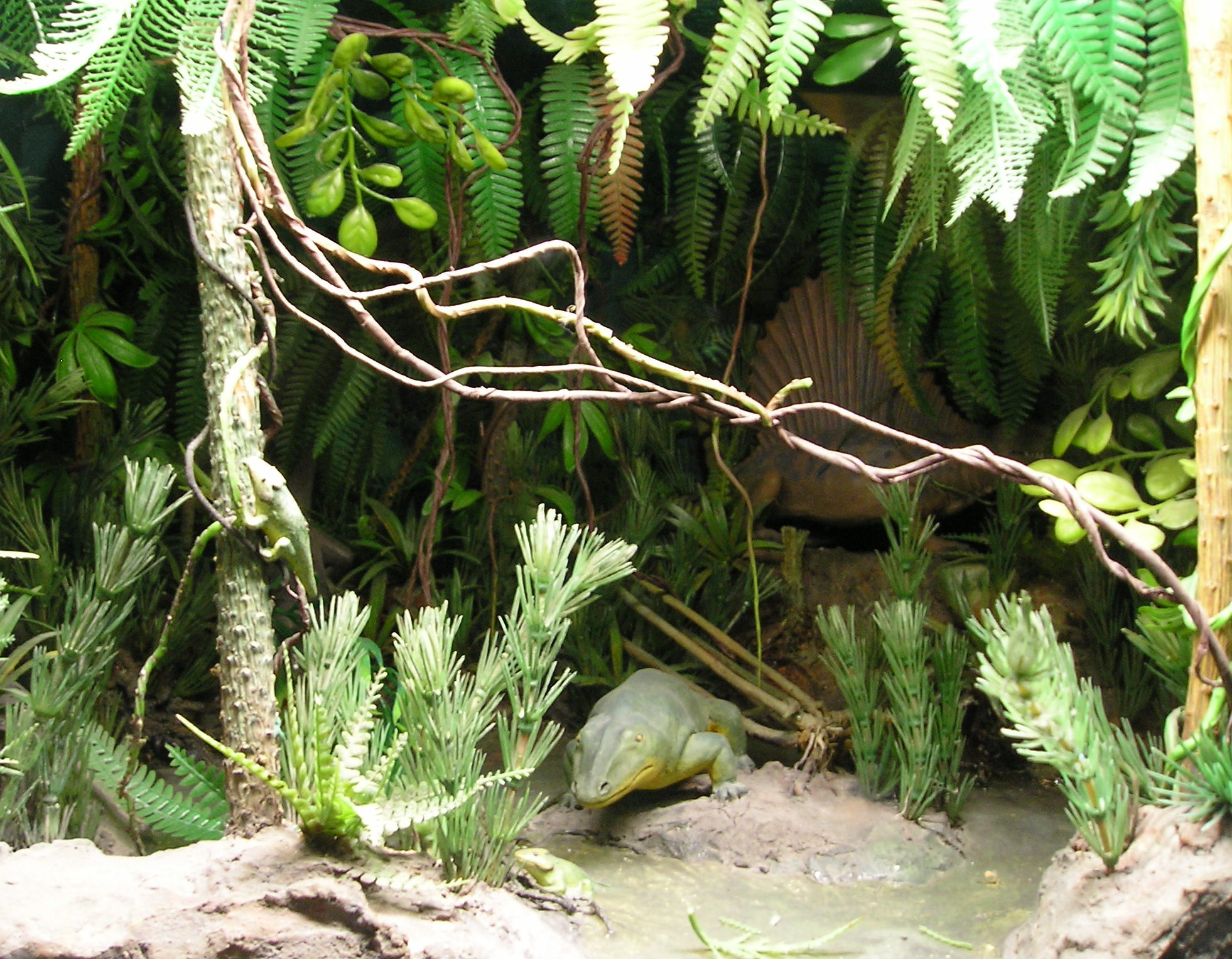
Permian diorama
Photo by Keith Schengili-Roberts
Marine reptiles
Photo by Keith Schengili-Roberts
September 1, 2005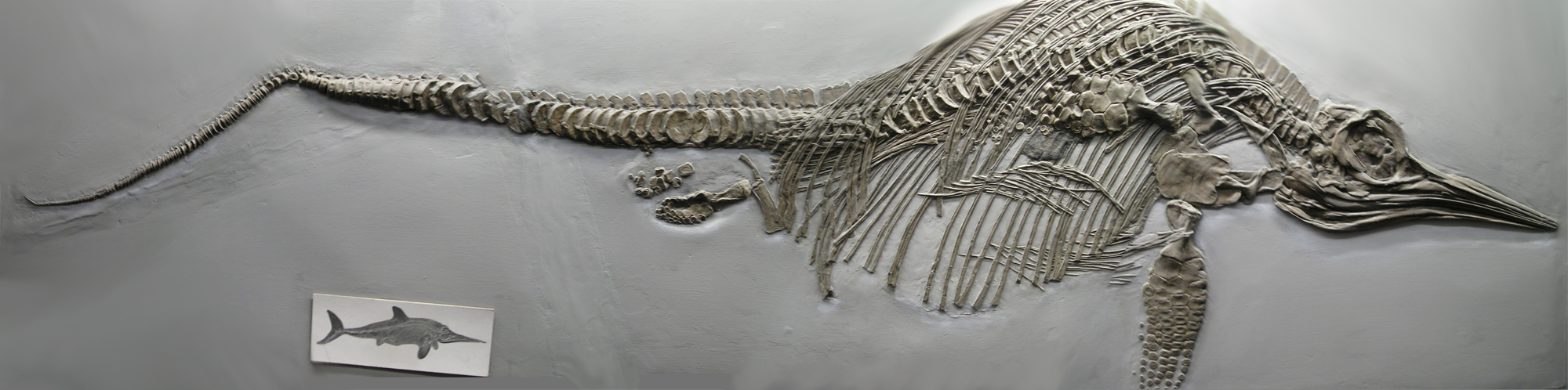
Stenopterygius
Photo by Keith Schengili-Roberts
September 1, 2005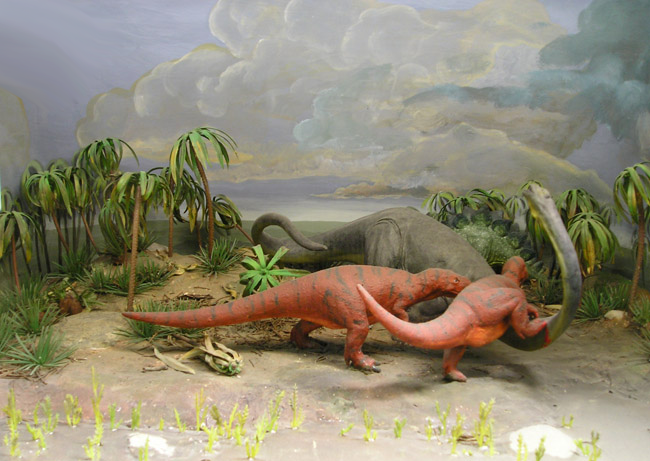
Jurassic diorama
Photo by Keith Schengili-Roberts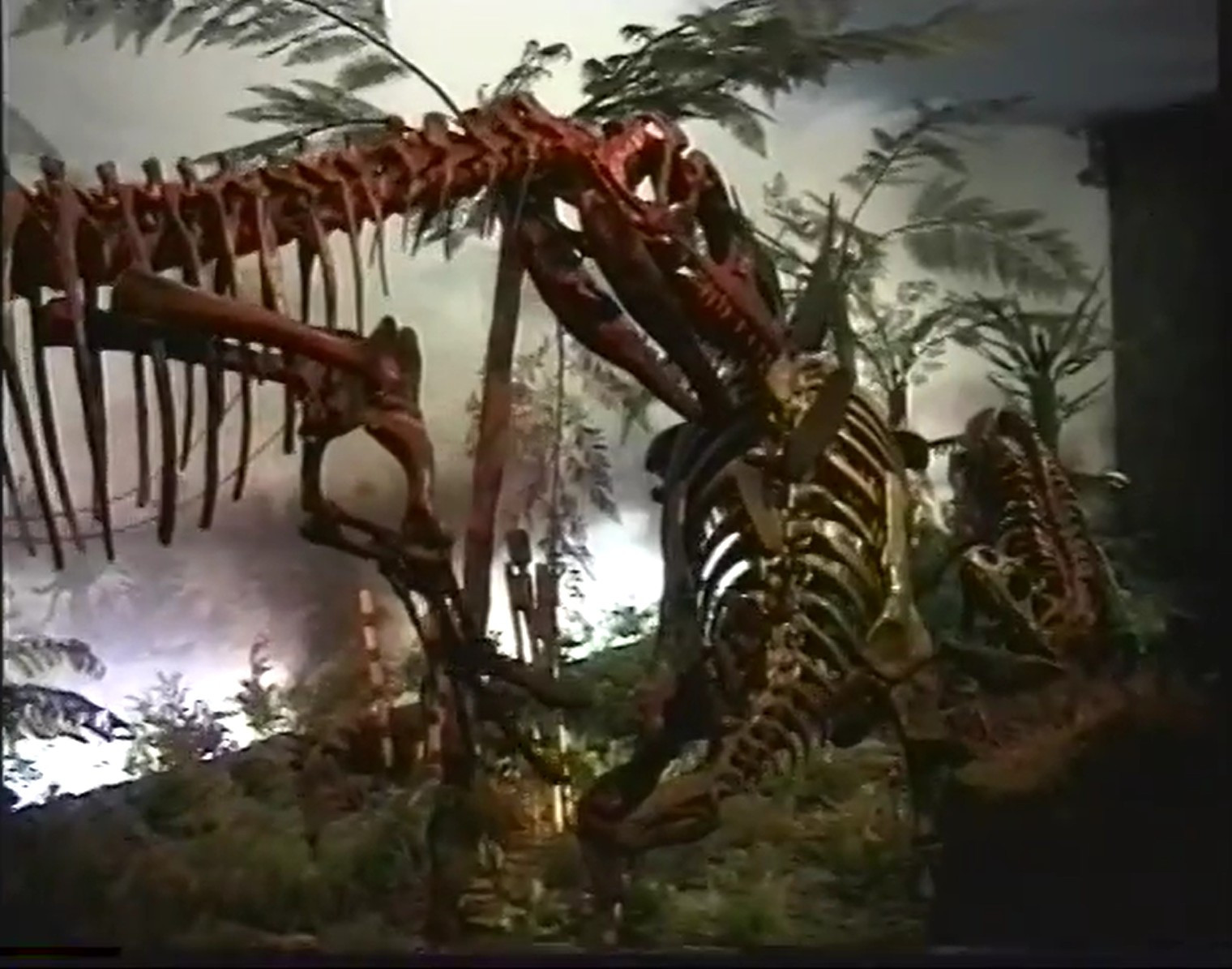
Allosaurus attacking Stegosaurus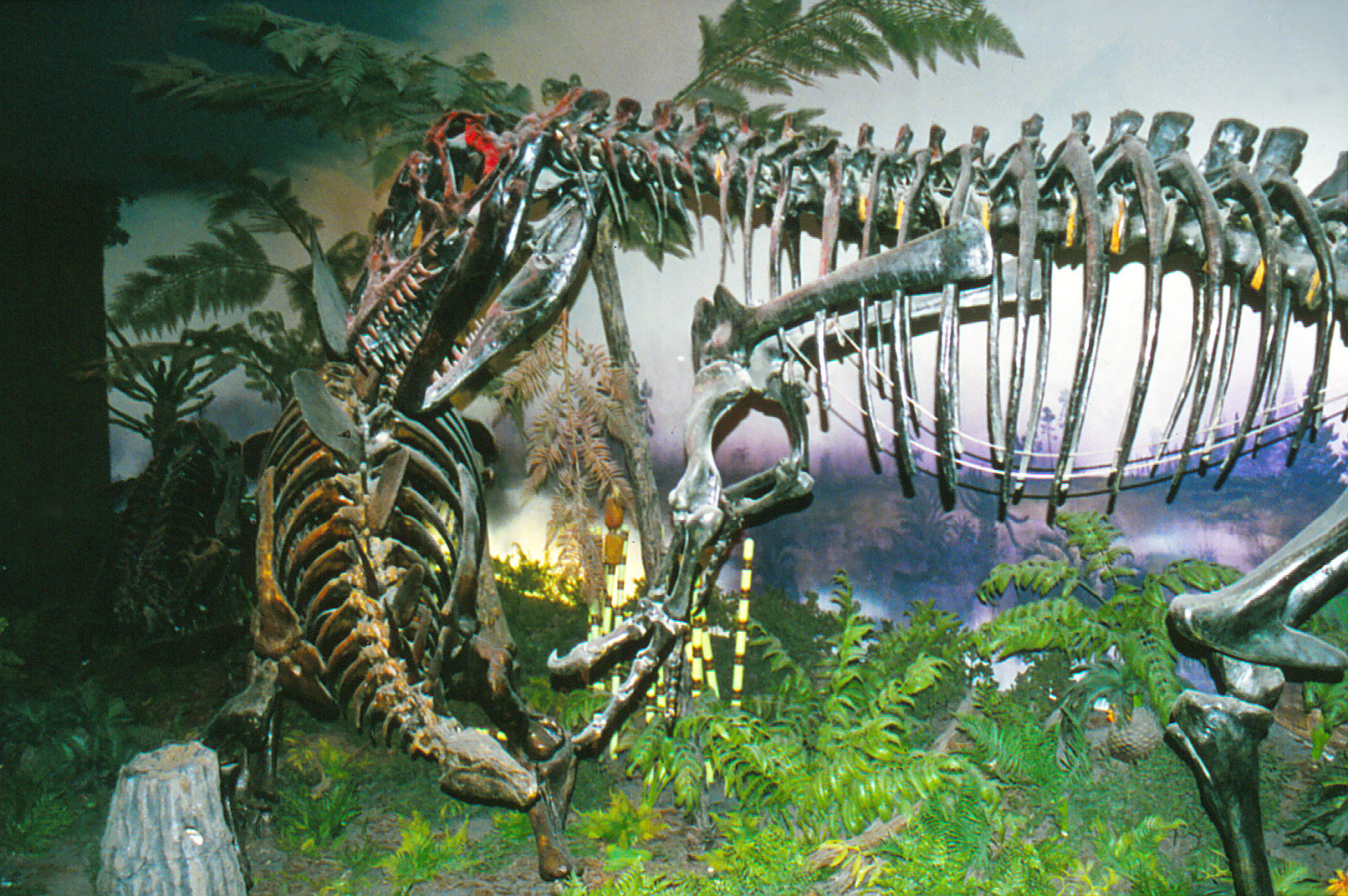
Allosaurus attacking Stegosaurus
Photo by Marc Hagen
June 2001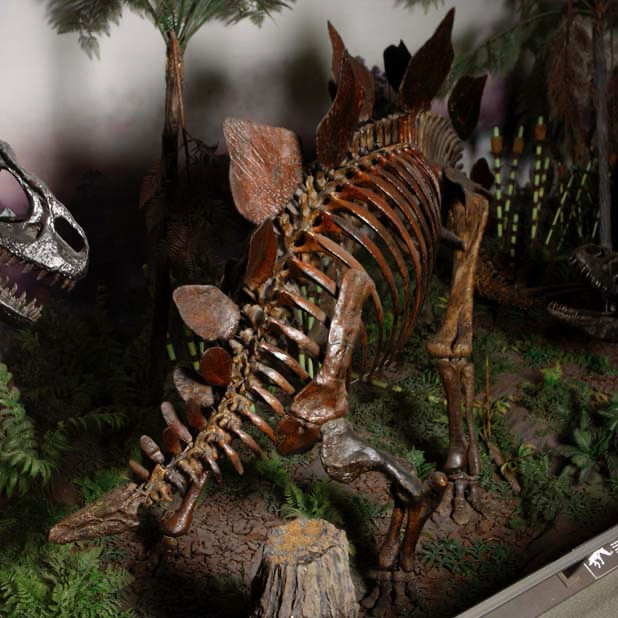
Stegosaurus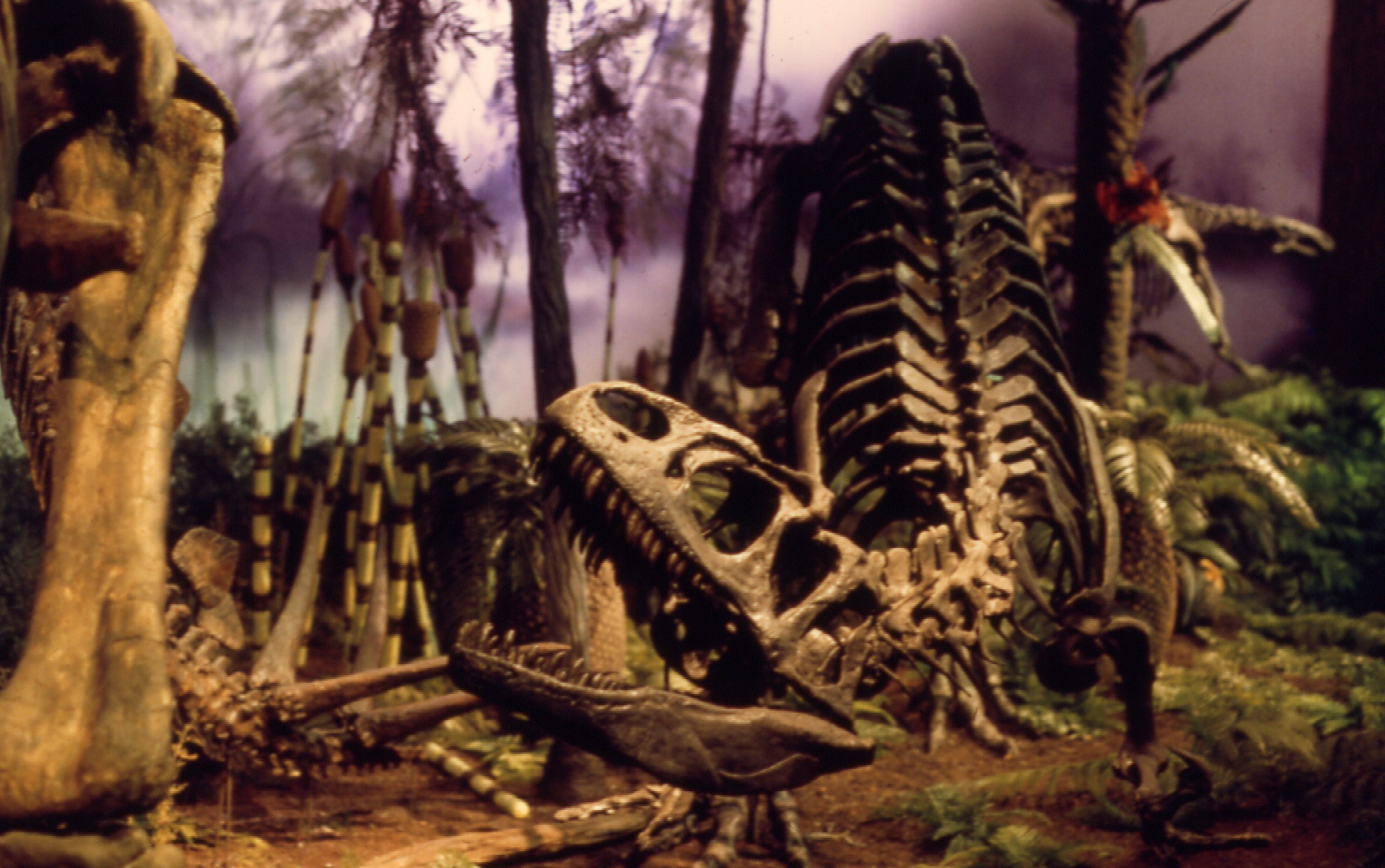
Allosaurus
Photo by Robert Taylor
April 1974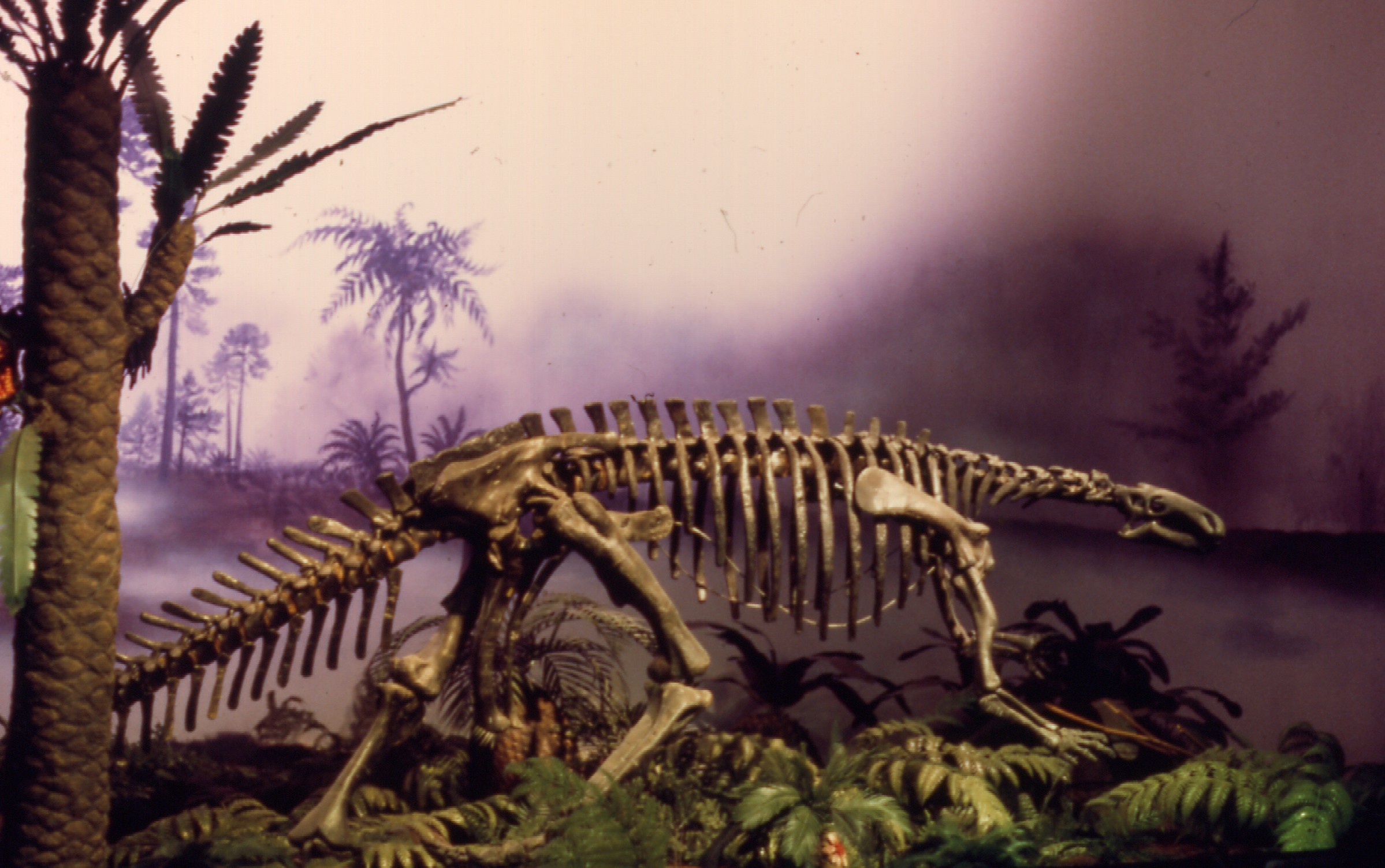
Camptosaurus
Photo by Robert Taylor
April 1974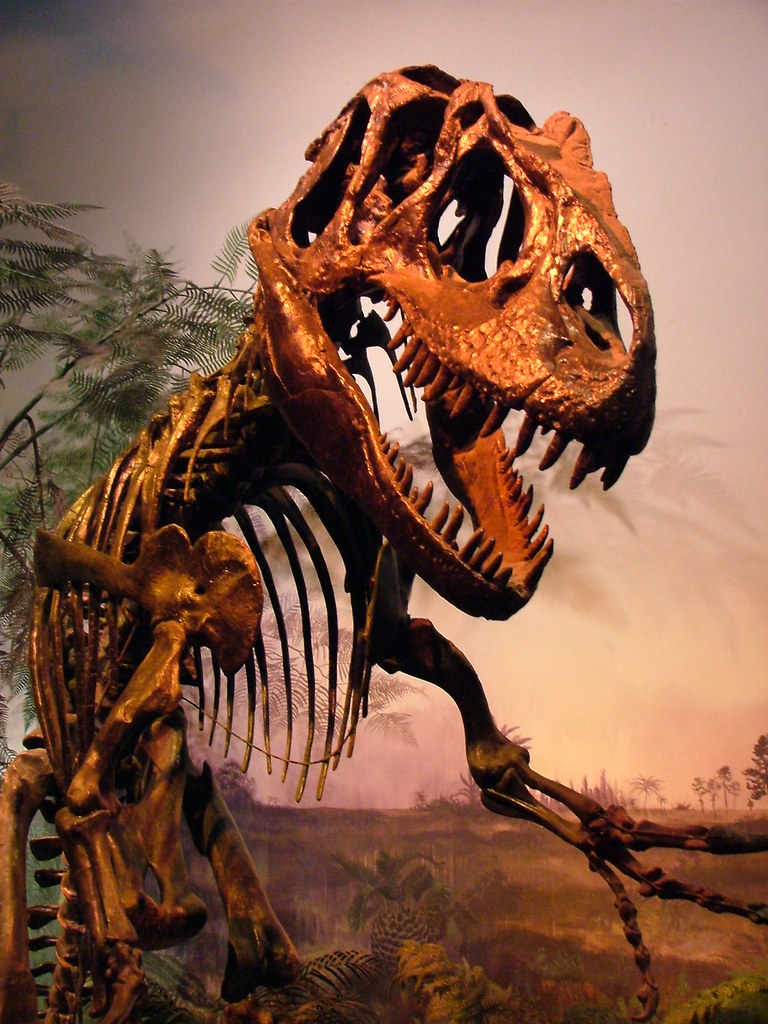
Allosaurus
Photo by Aleks
May 1, 2004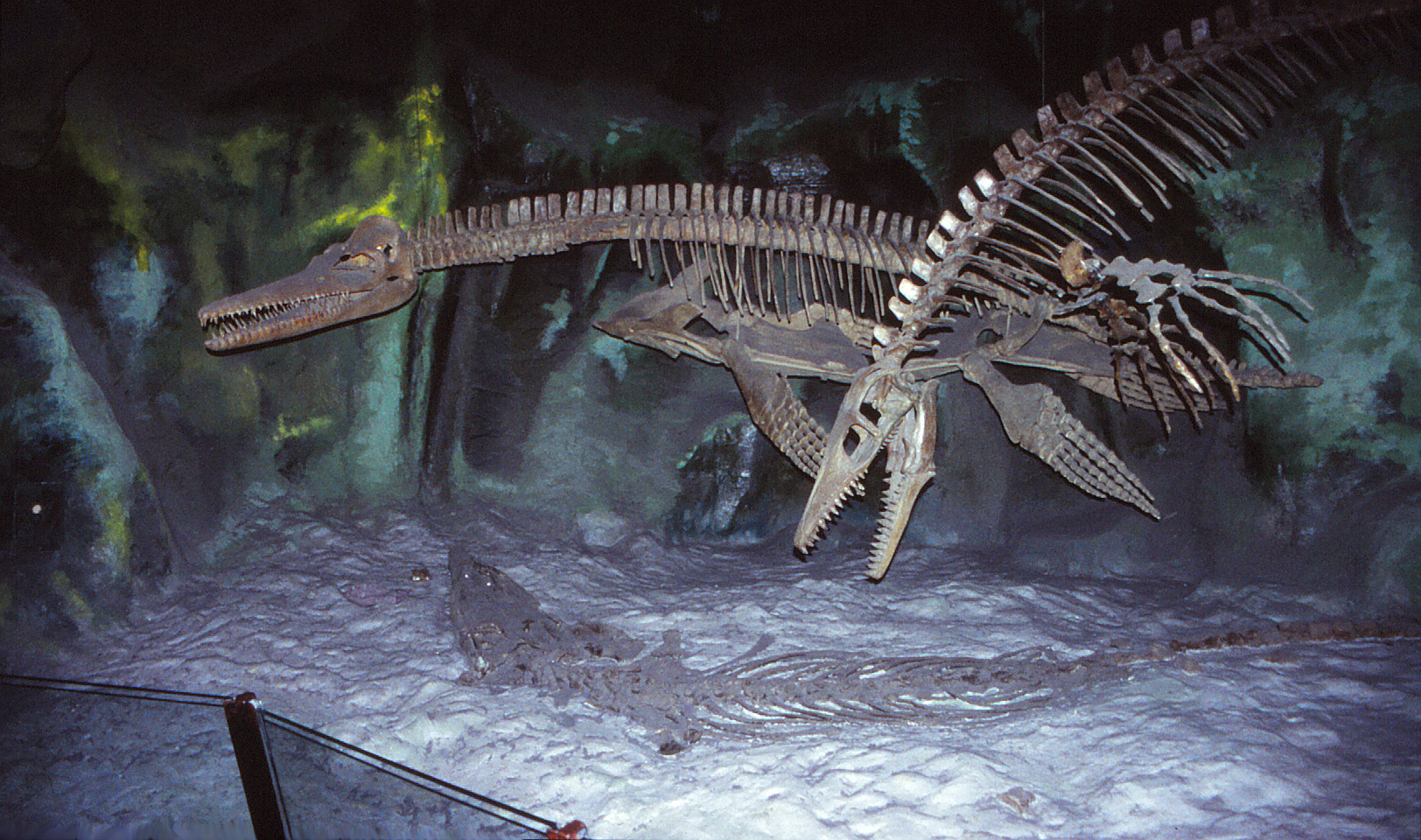
Marine reptiles
Photo by Marc Hagen
June 2001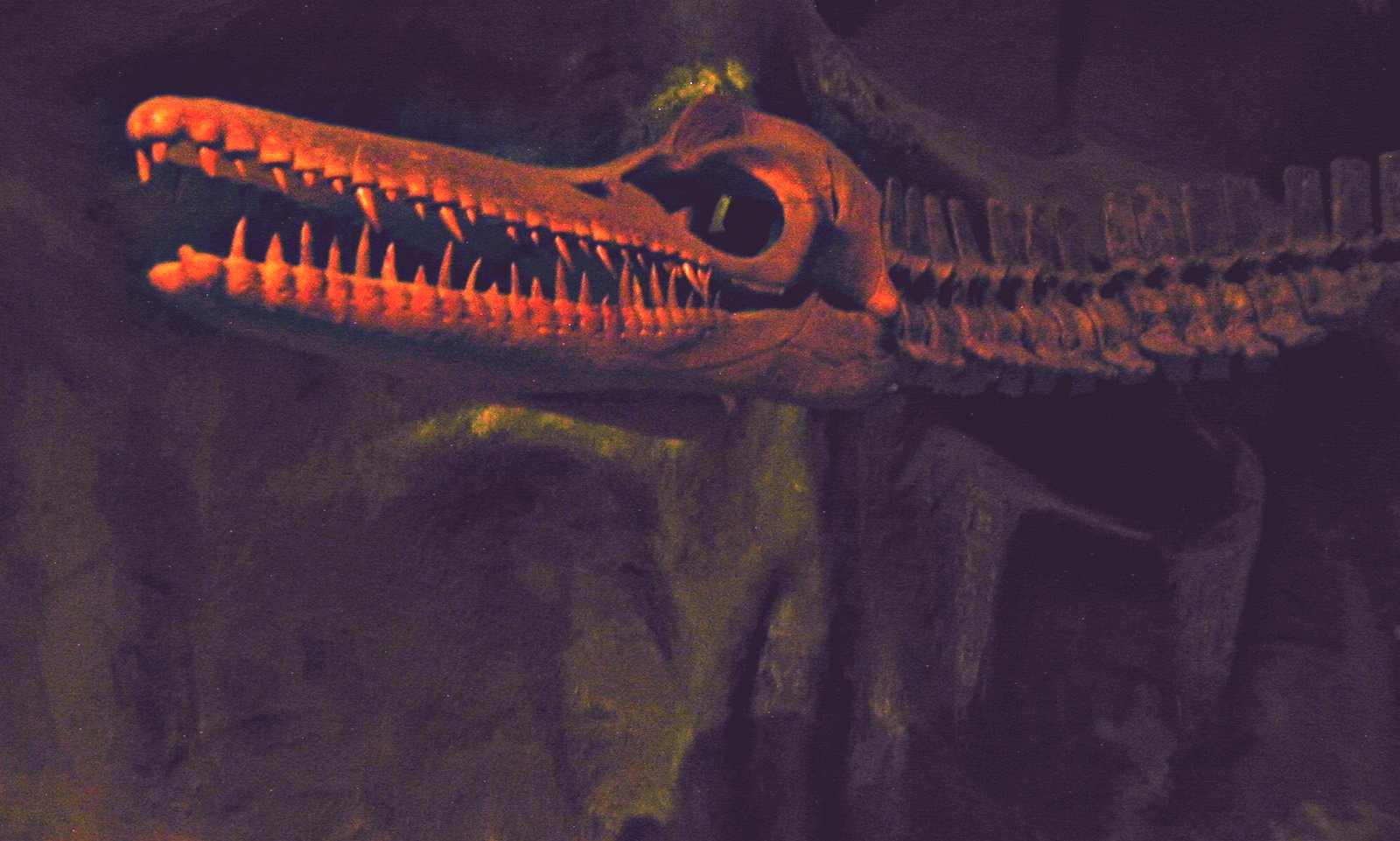
Polycotylid close-up
Photo by Tai Viinikka
March 25, 2002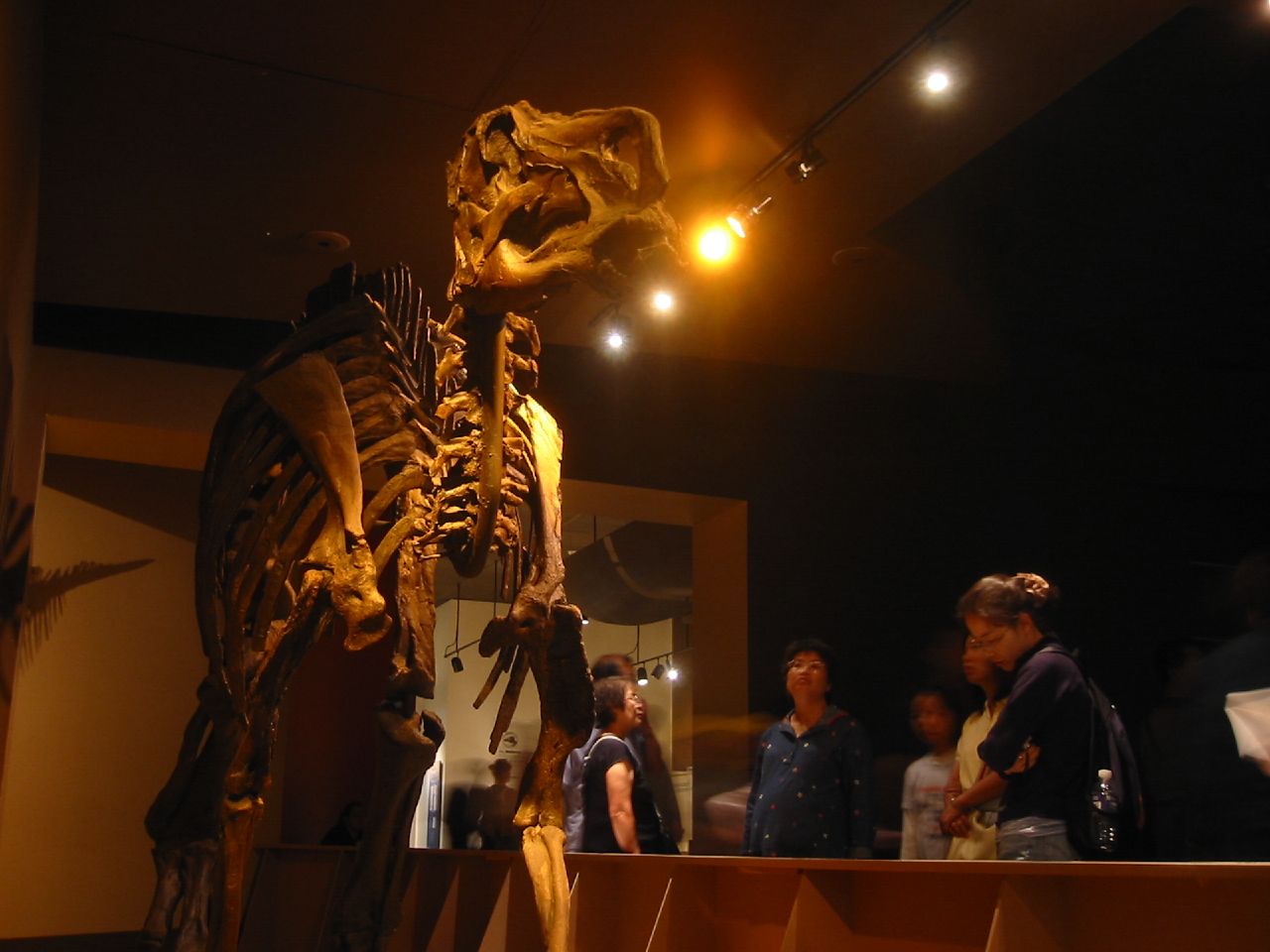
Maiasaura
Photo by Carsten
August 6, 2004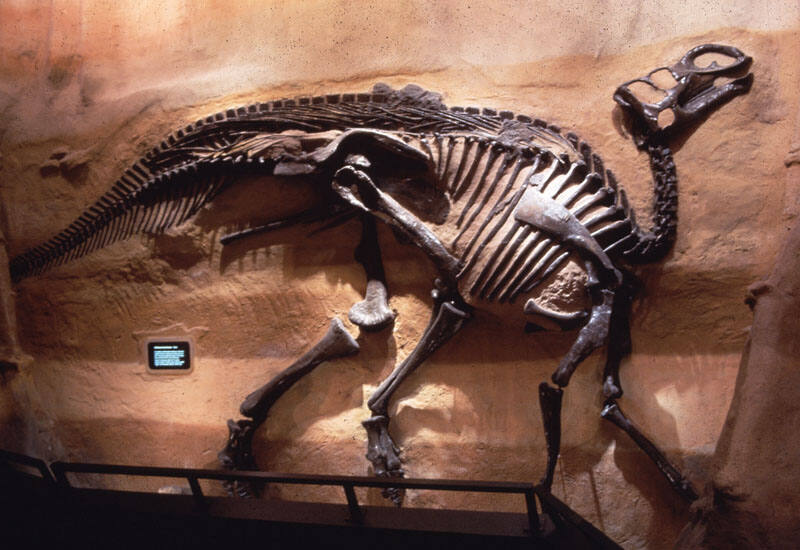
Gryposaurus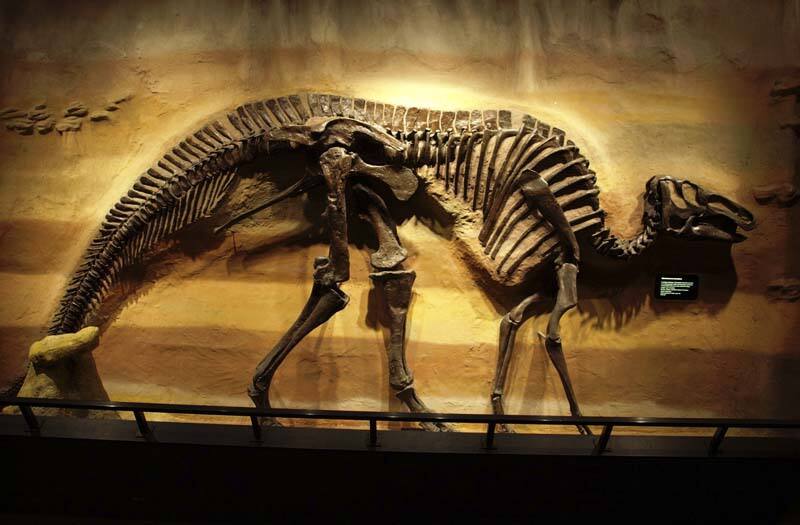
Edmontosaurus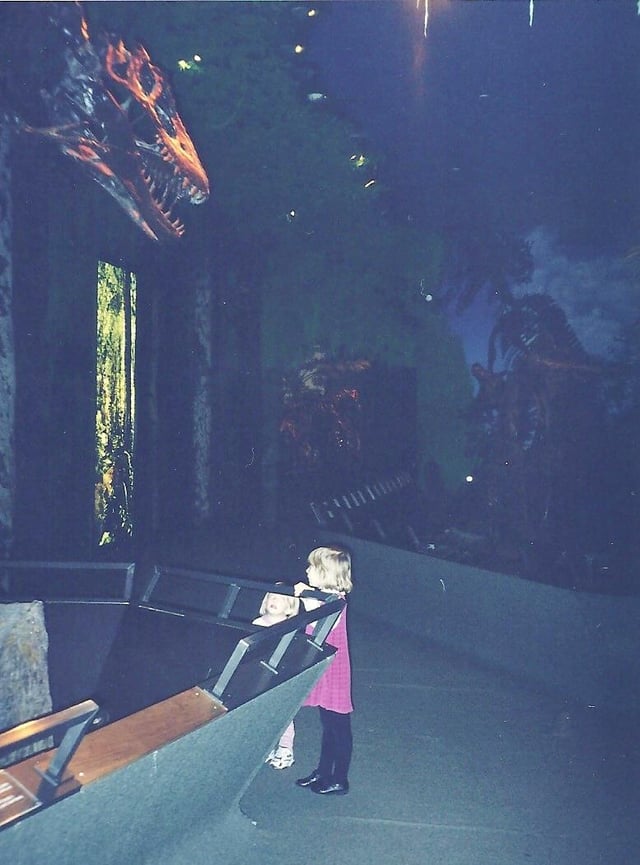
Inside the dinosaur "habitat" gallery
Photo courtesy MsZRowsdower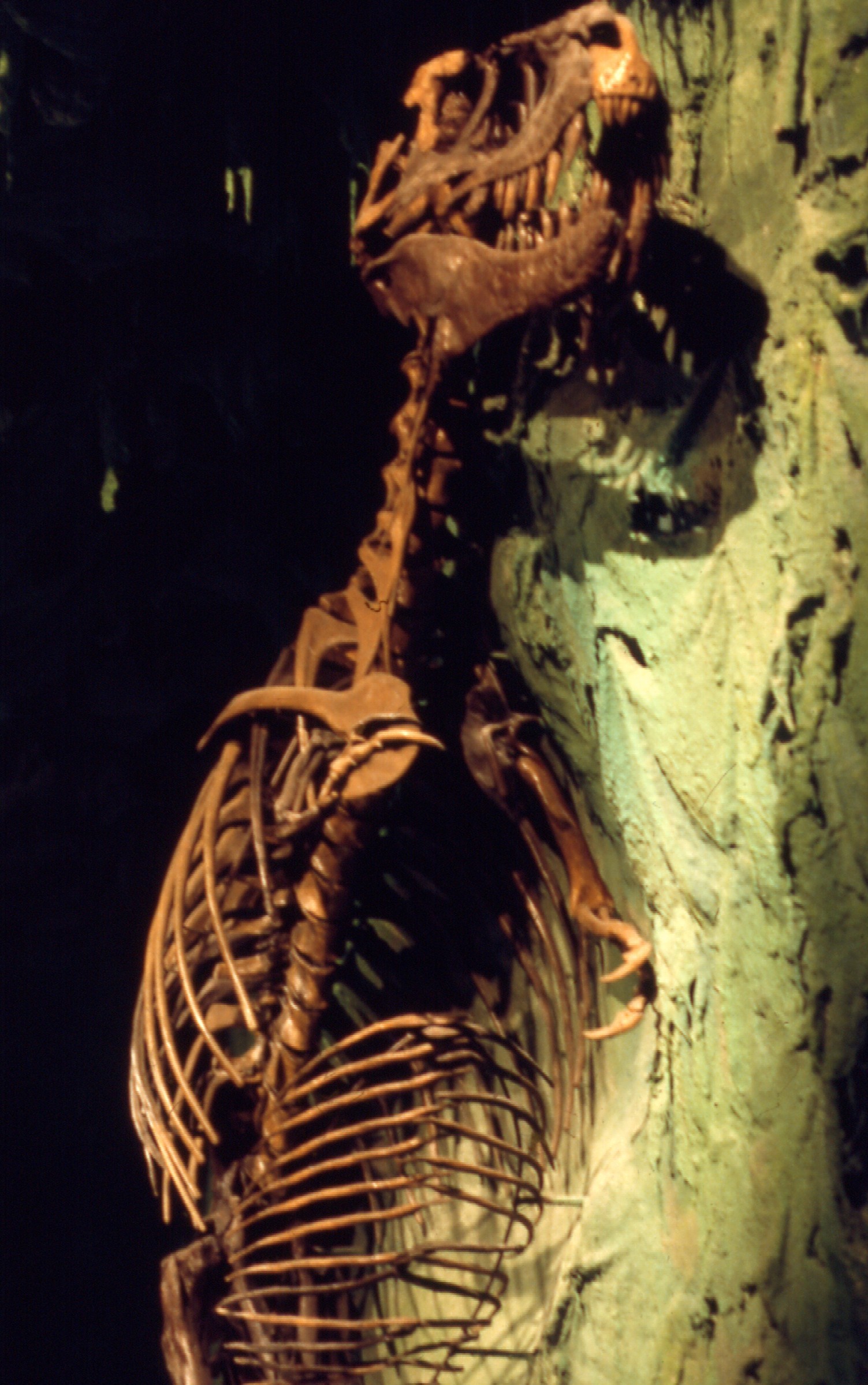
Albertosaurus
Photo by Robert Taylor
April 1974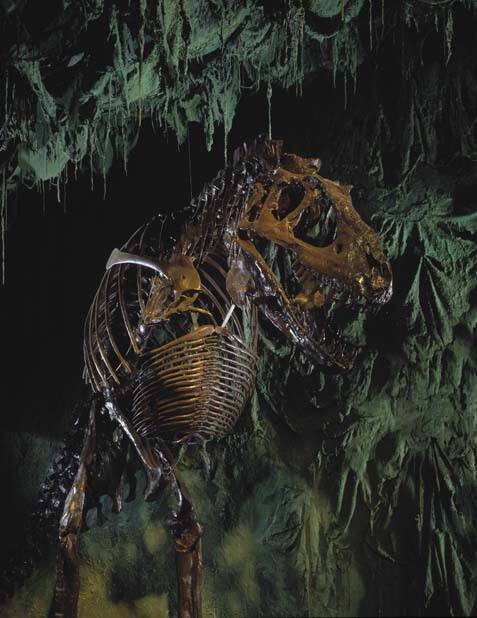
Albertosaurus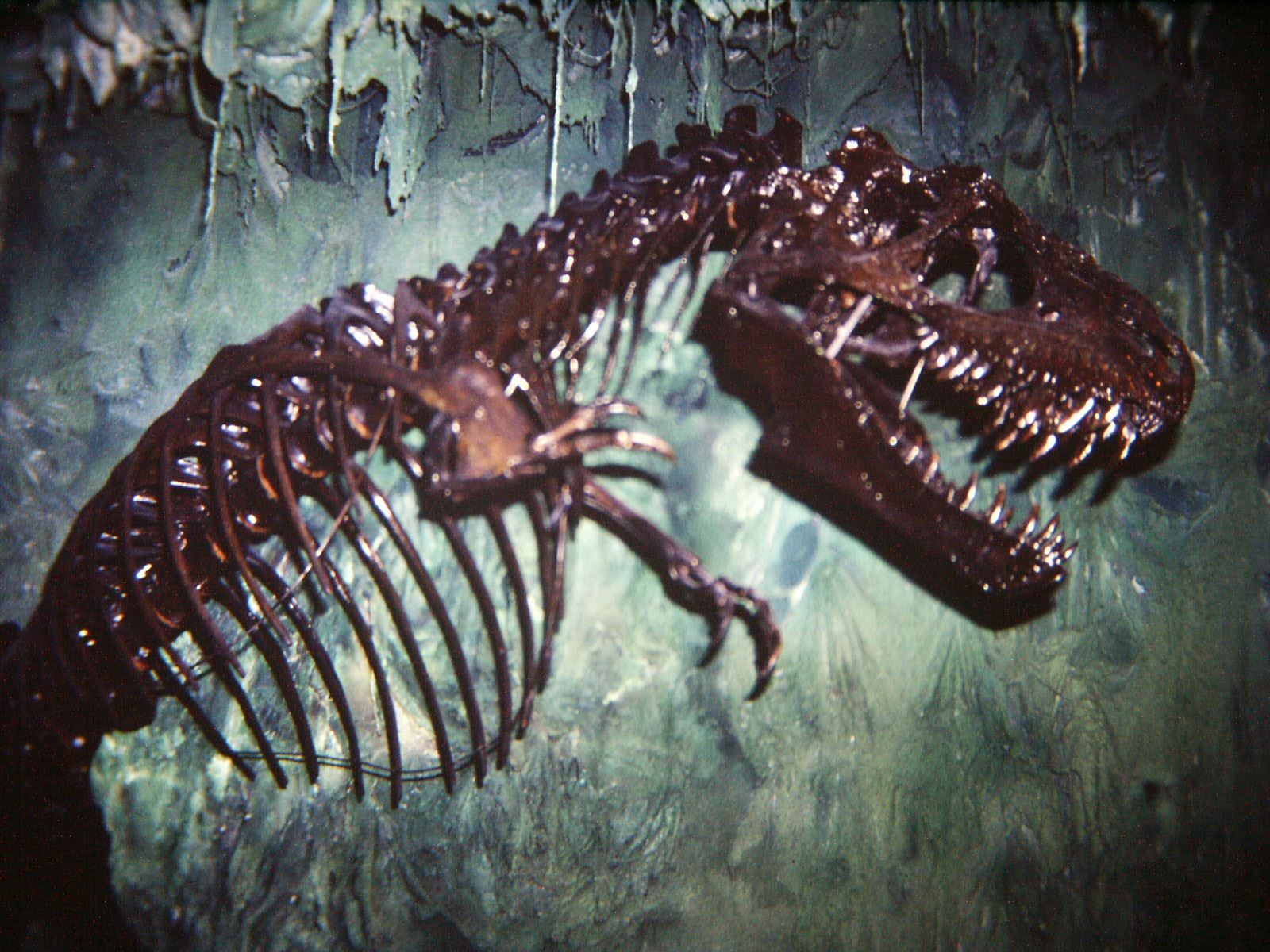
Albertosaurus
Photo by Gary Todd
August 19, 1983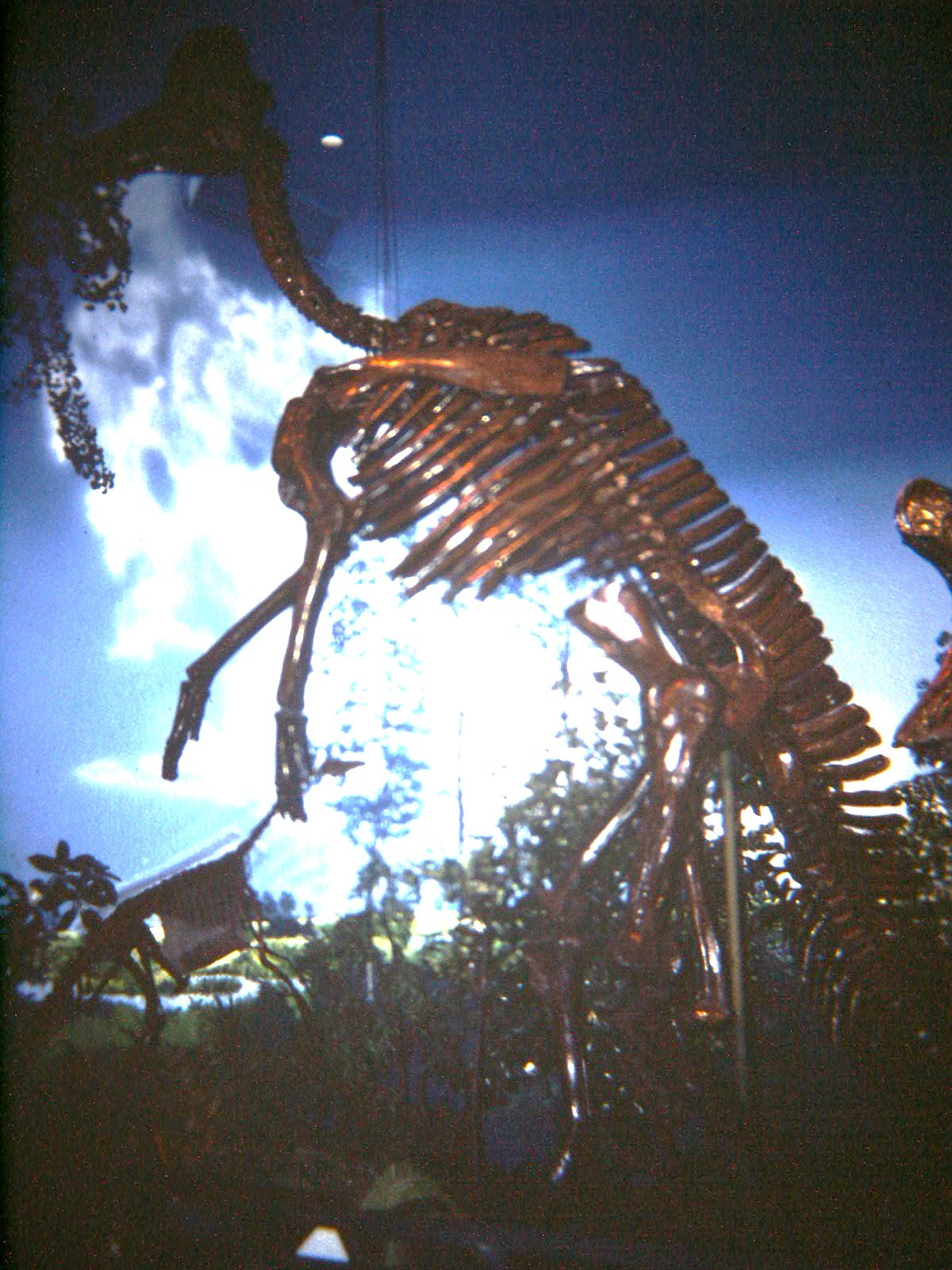
Corythosaurus
Photo by Gary Todd
August 19, 1983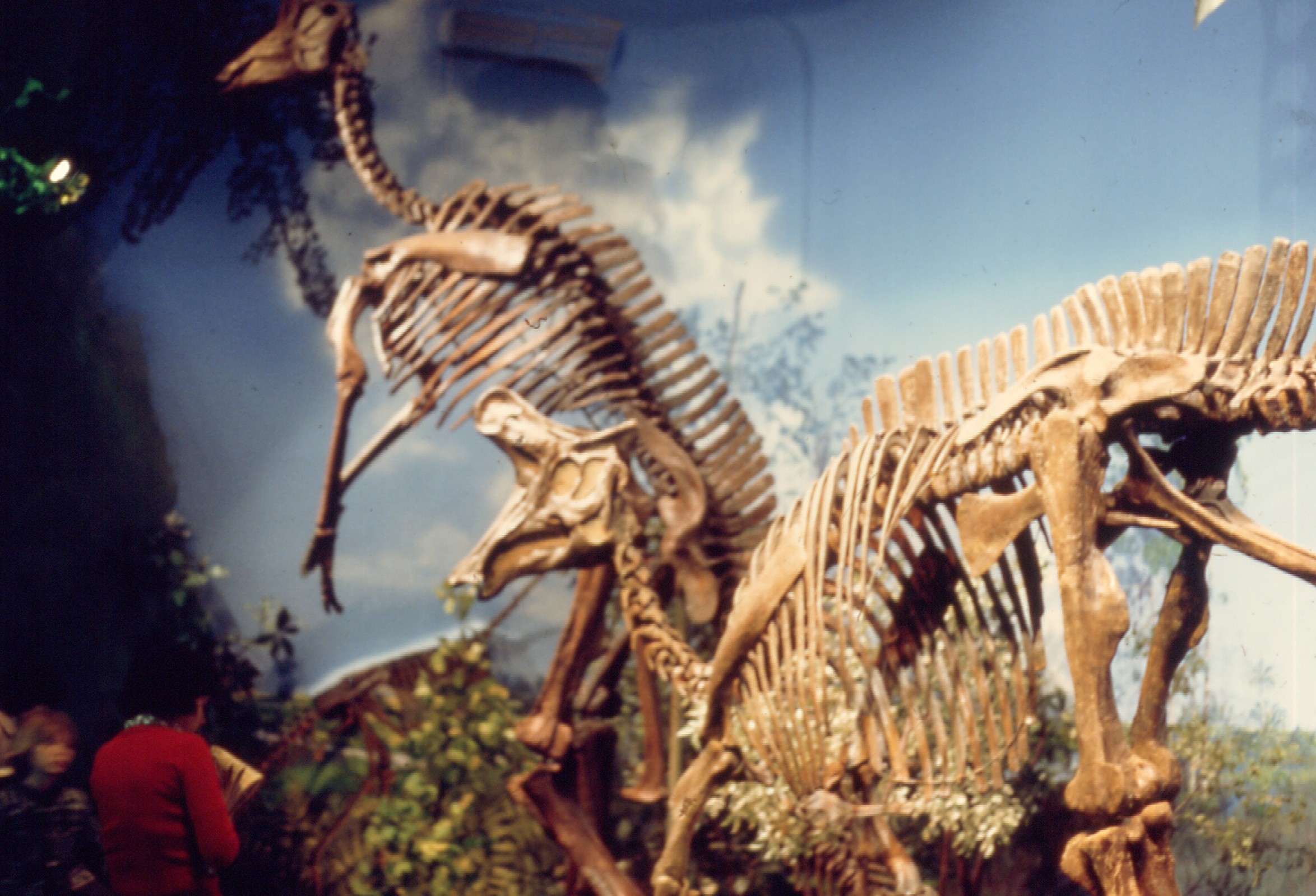
Lambeosaurus and Corythosaurus
Photo by Robert Taylor
April 1974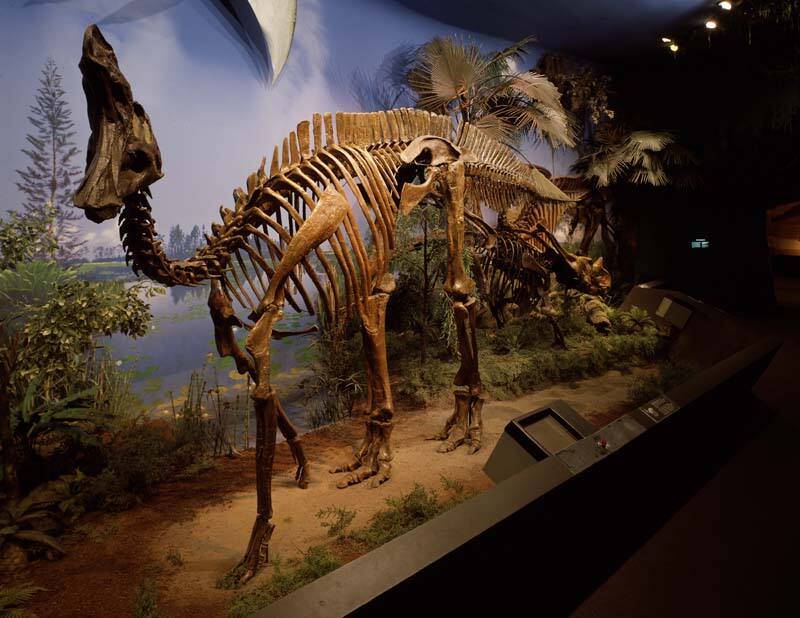
Lambeosaurus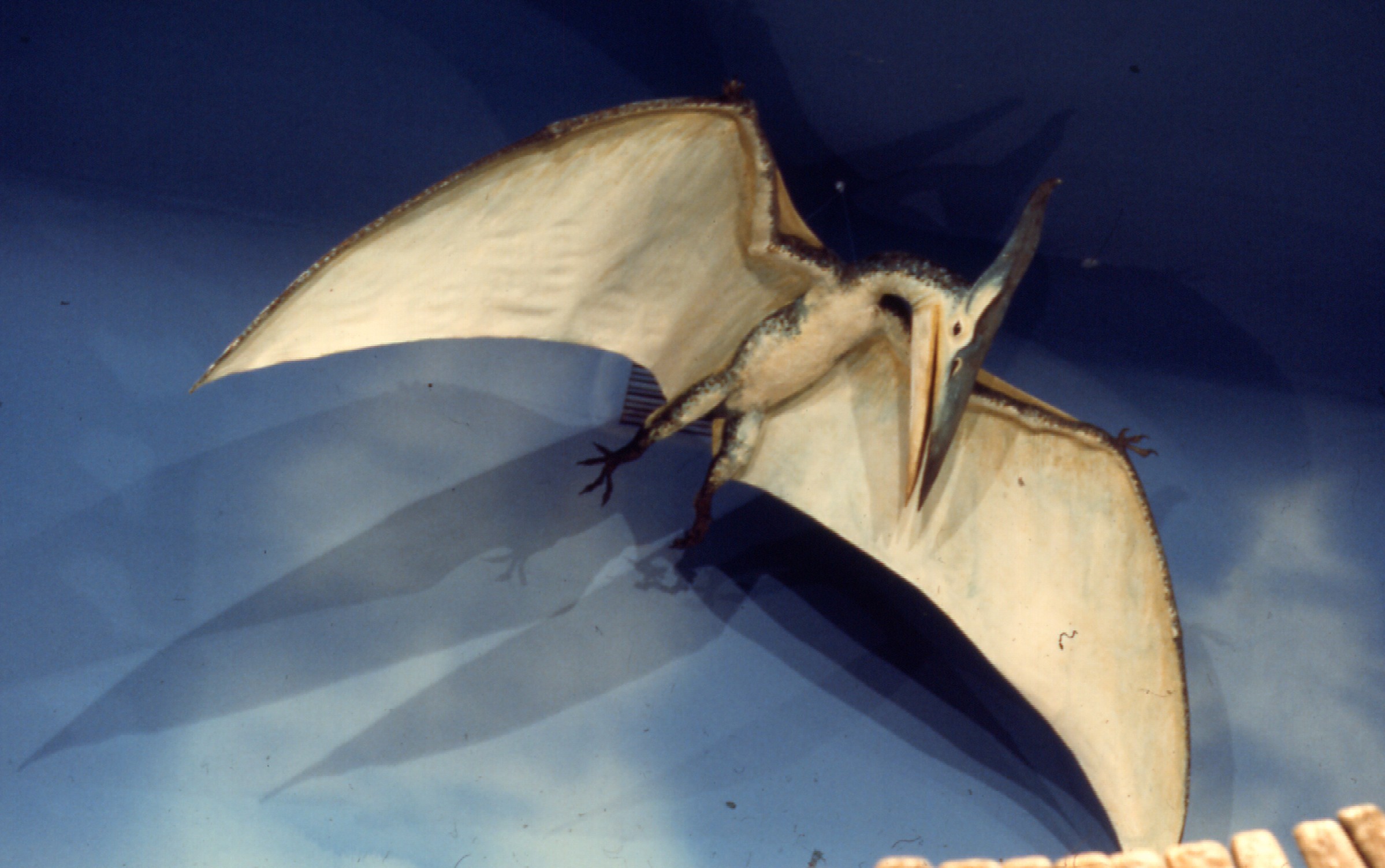
Pteranodon model
Photo by Robert Taylor
April 1974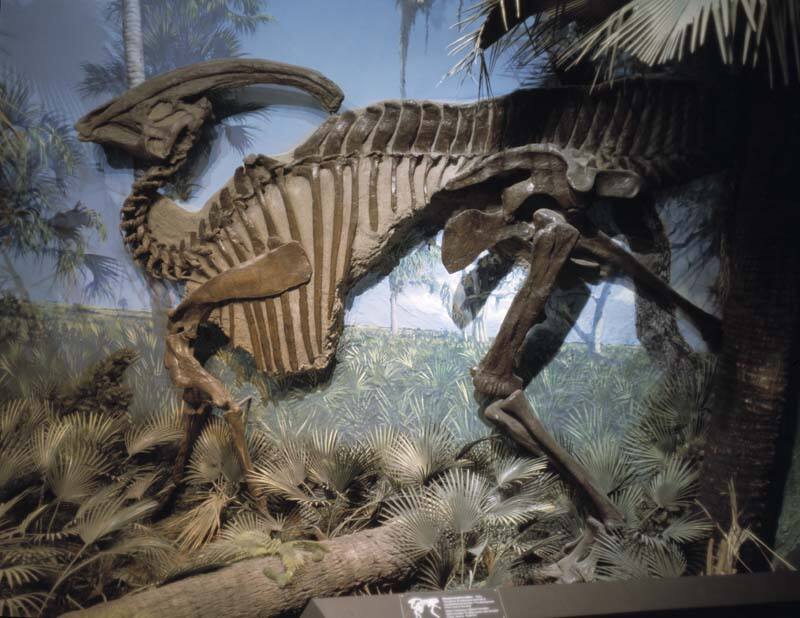
Parasaurolophus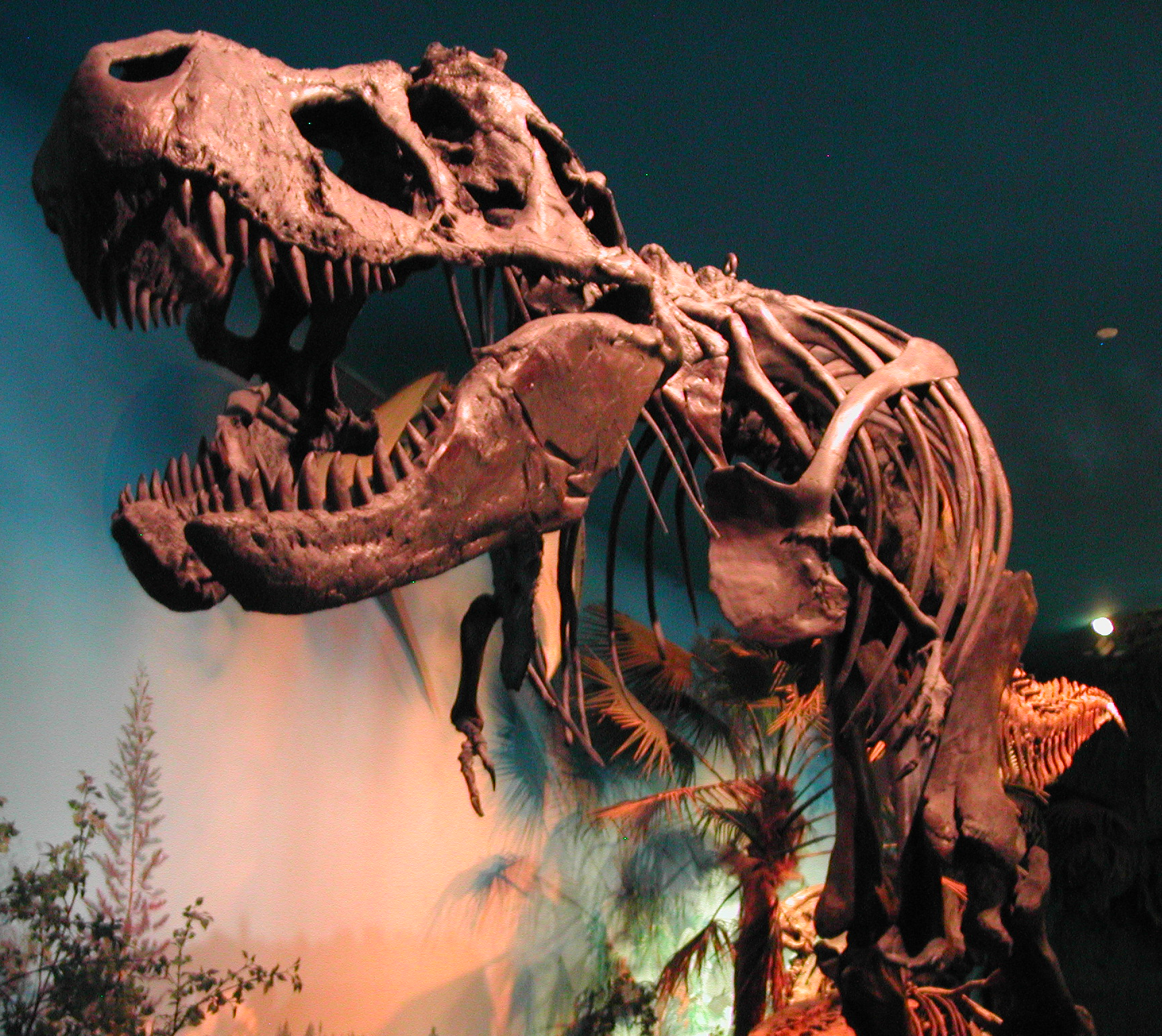
Tyrannosaurus rex
Photo by Keith Schengili-Roberts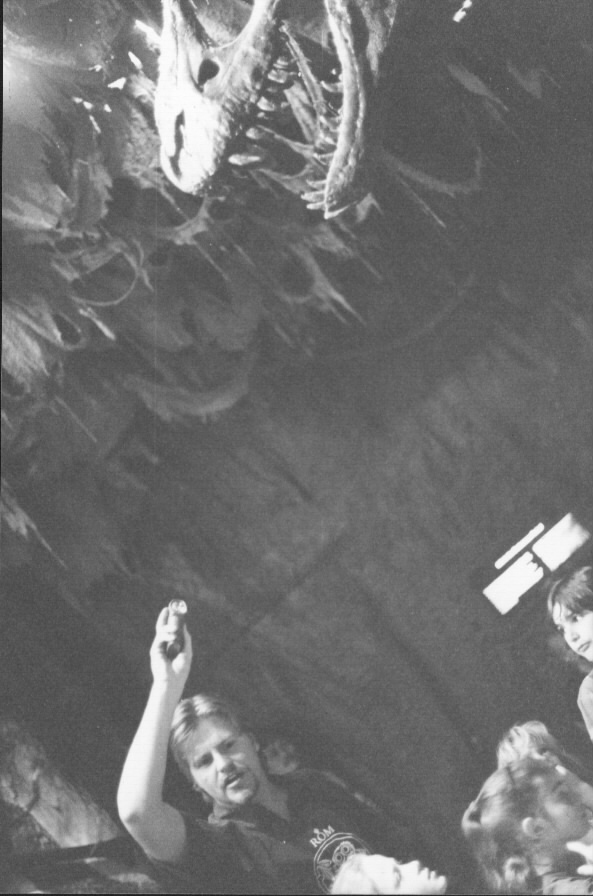 An educator (apparently named Kevin) gestures to the Albertosaurus skeleton
Photo courtesy Tai Viinikka
ca. 1995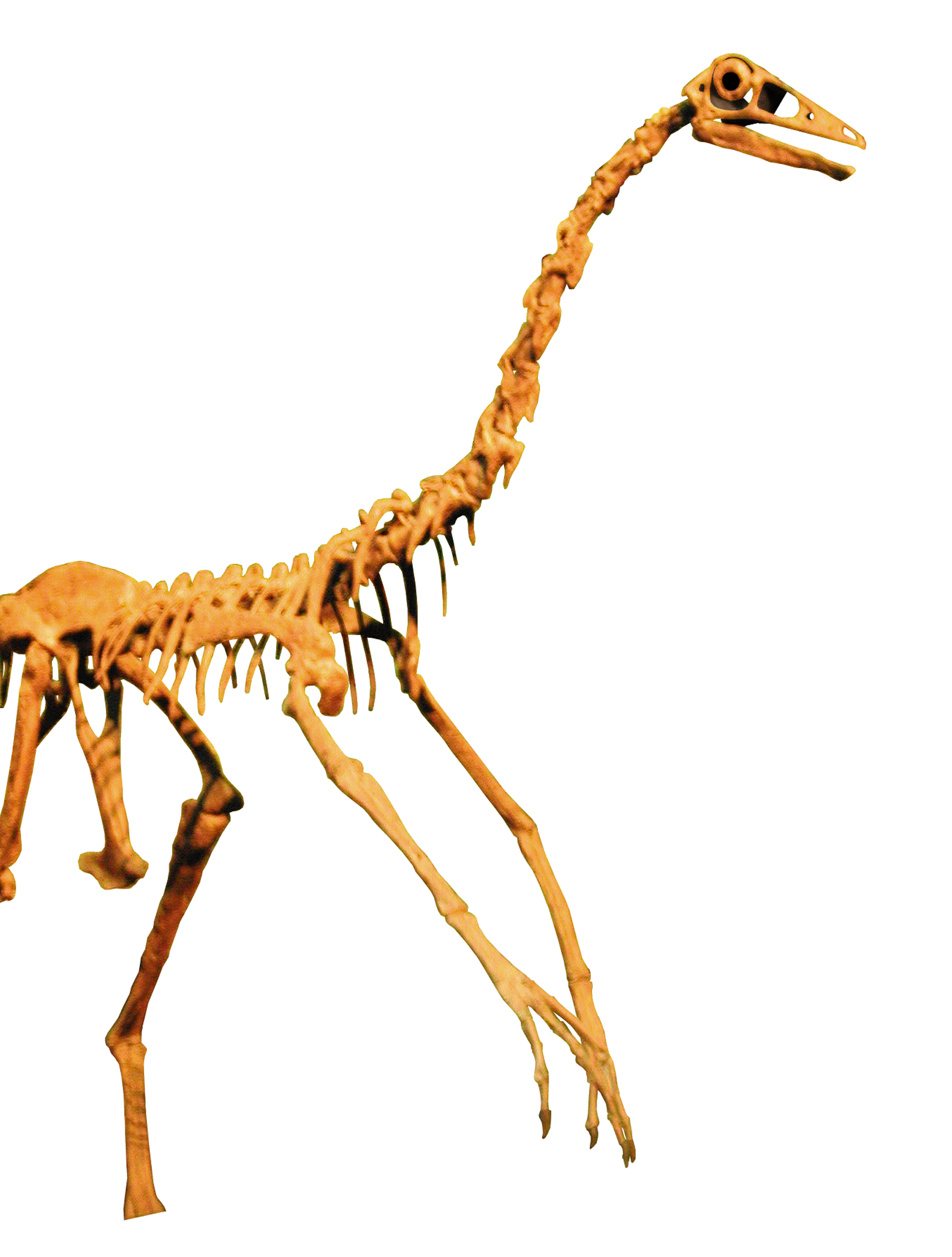
Ornithomimus edmontonicus
Photo by Keith Schnegili-Roberts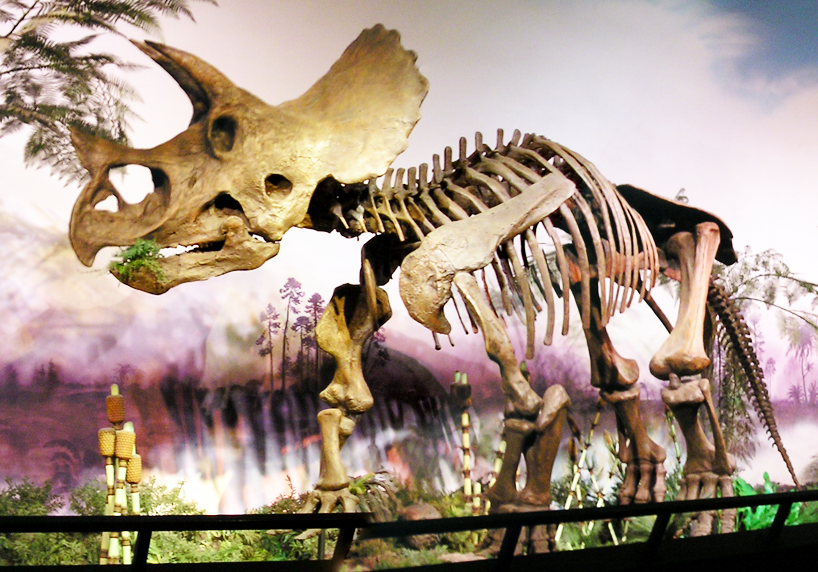
Triceratops
Photo by Keith Schengili-Roberts
September 1, 2005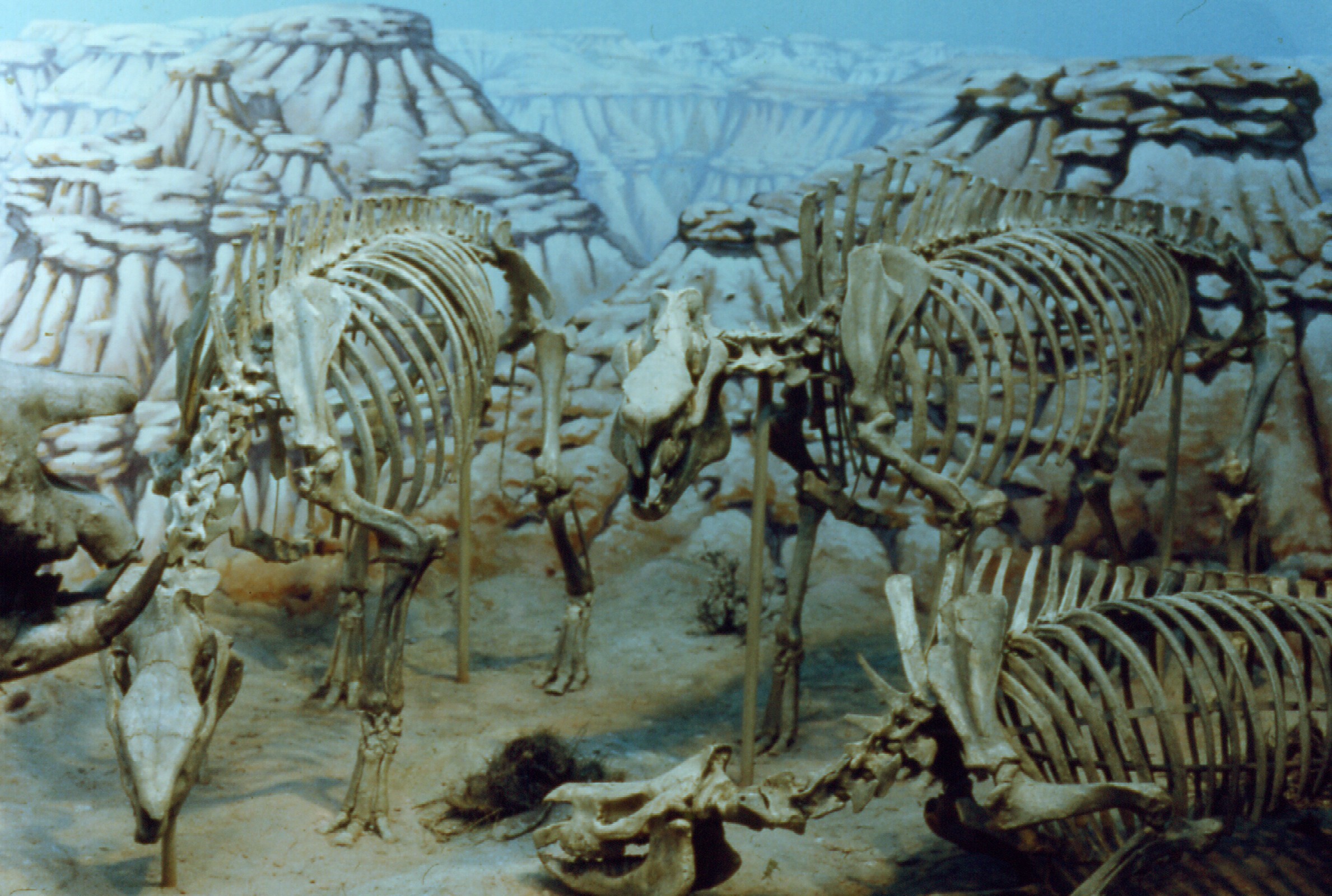
Miocene mammals
Photo by Robert Taylor
April 1974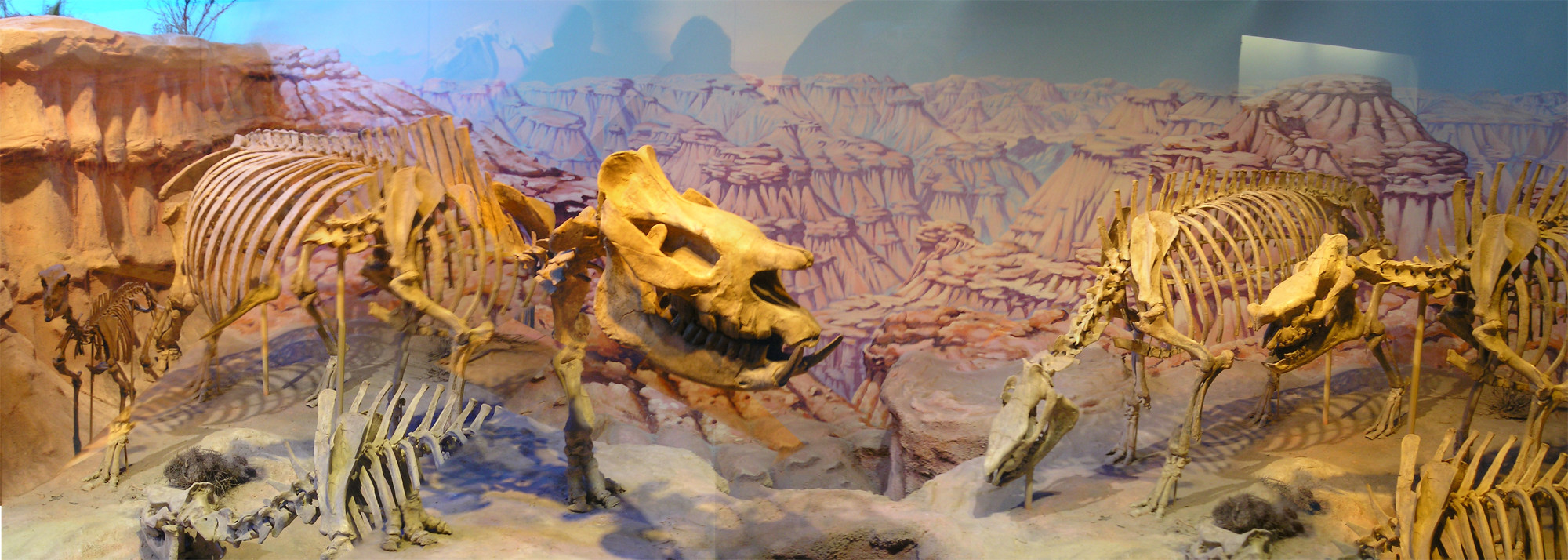
Fossil rhinos
Photo by Keith Schengili-Roberts
September 1, 2005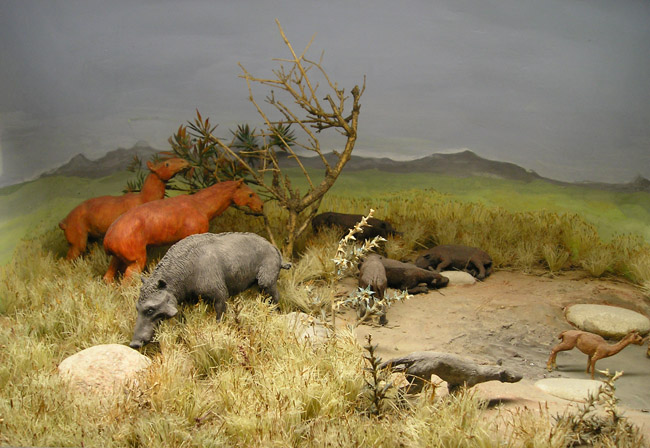
Miocene diorama
Photo by Keith Schengili-Roberts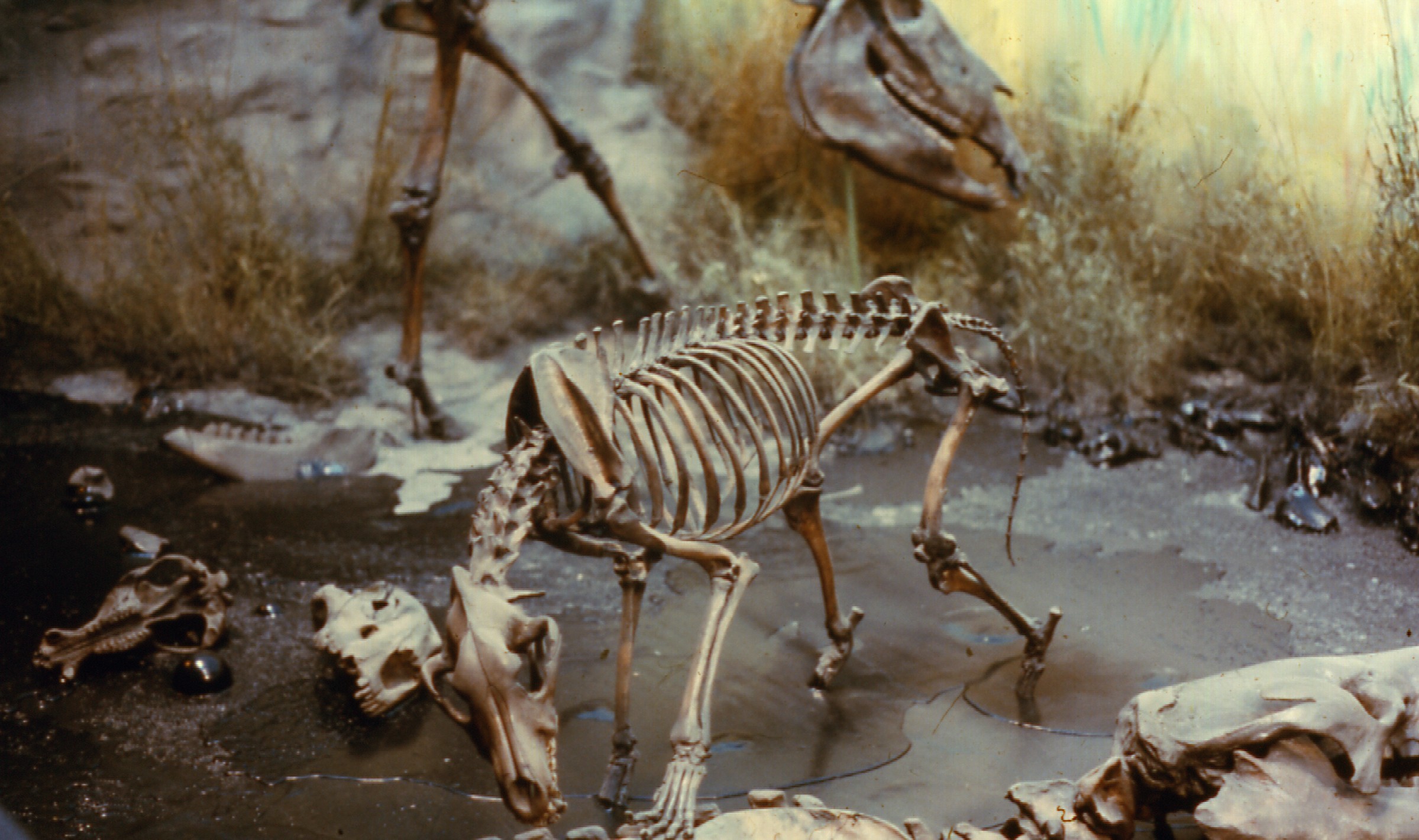
La Brea Tar Pits display
Photo by Robert Taylor
April 1974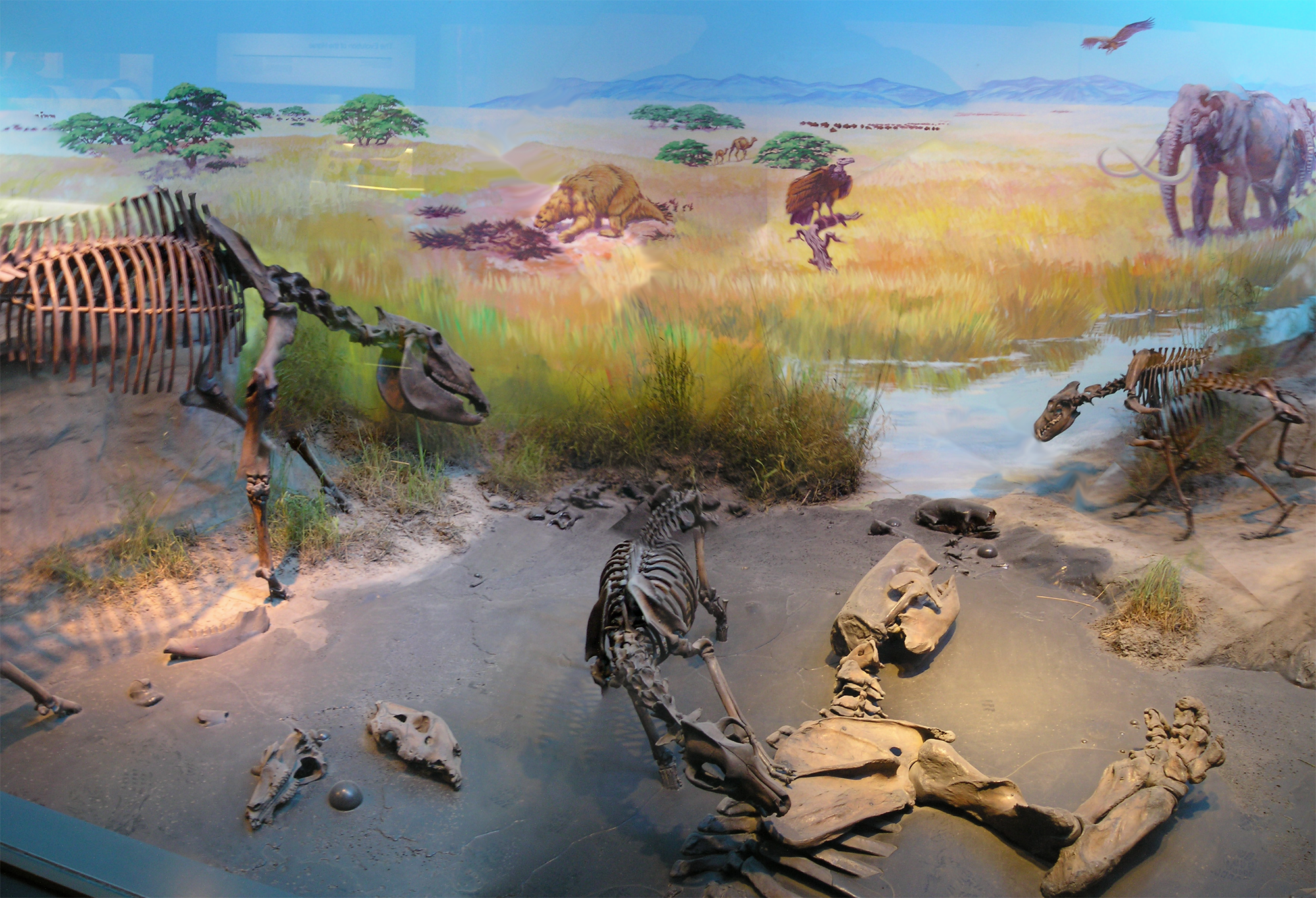
La Brea Tar Pits display
Photo by Keith Schengili-Roberts
September 1, 2005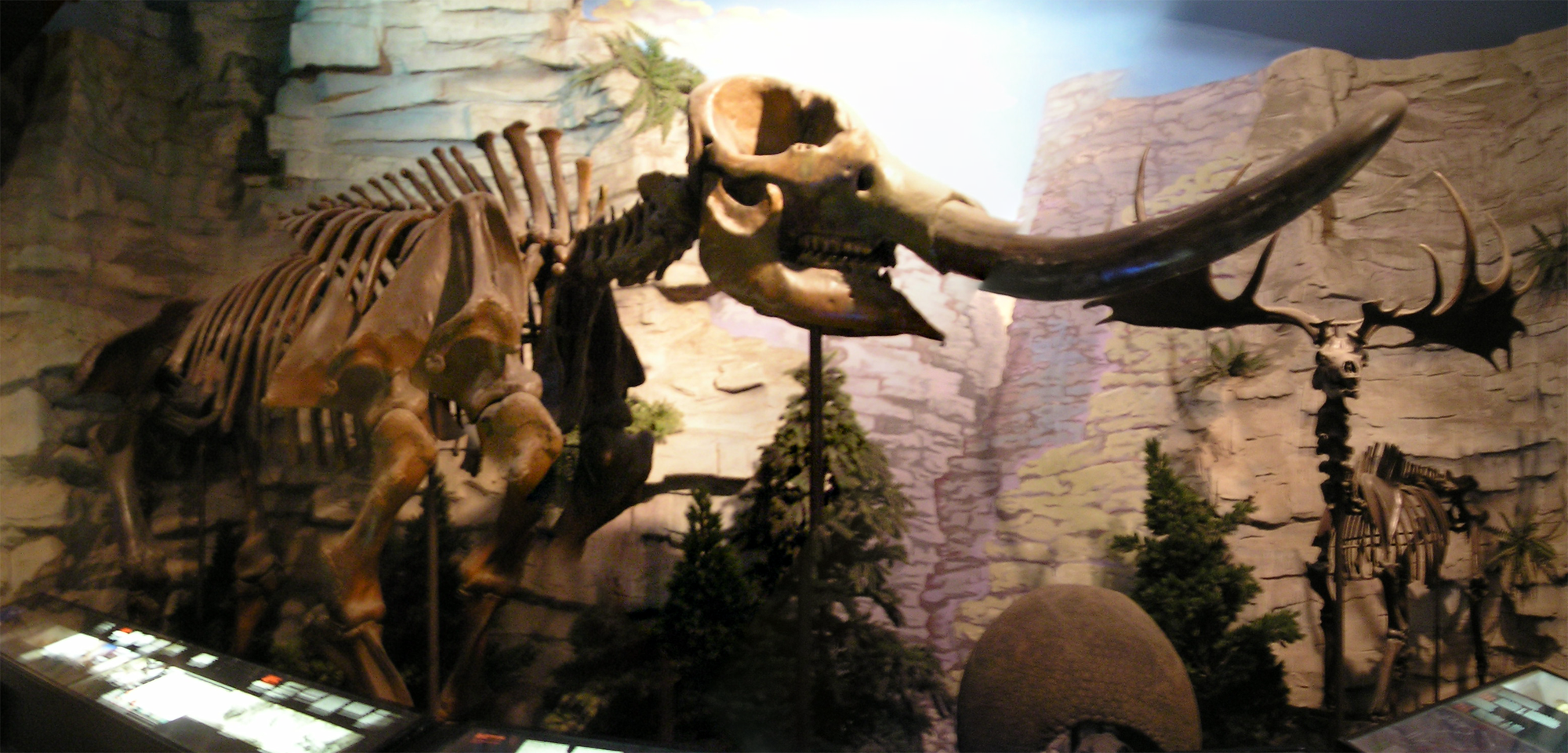
American mastodon and Megaloceros
Photo by Keith Schengili-Roberts
September 1, 2005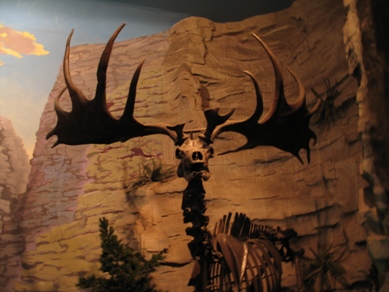
Megaloceros
Photo by Reg Natarajan
September 2, 2004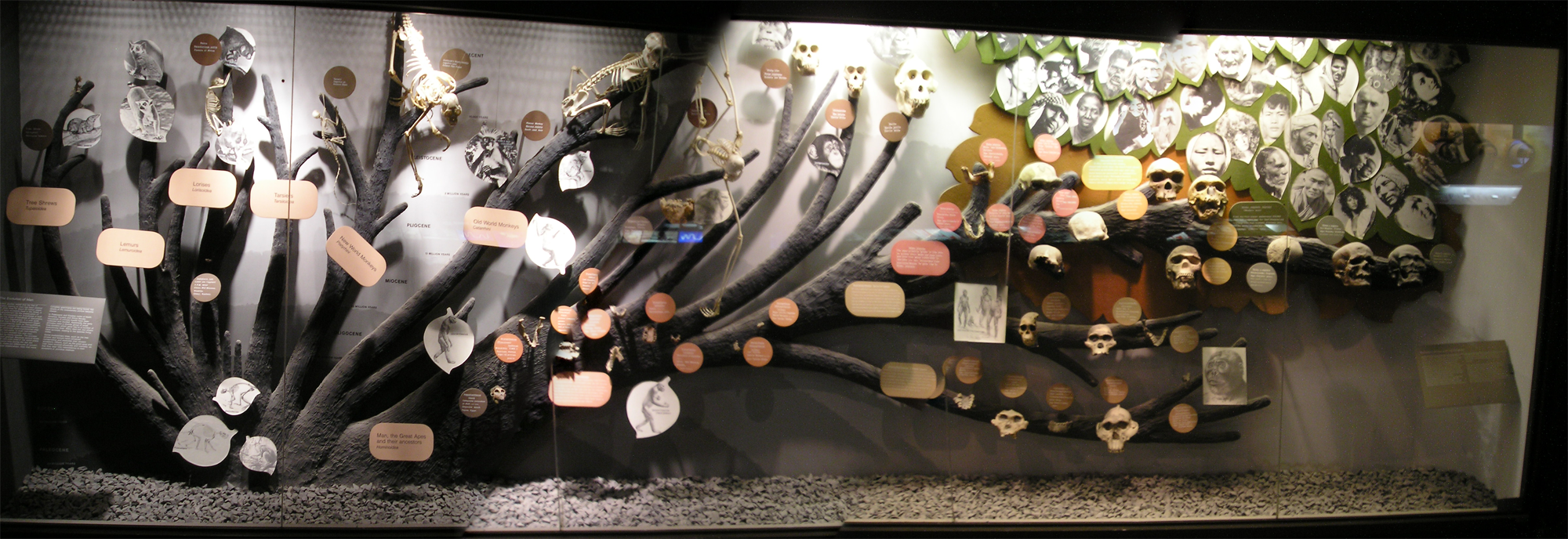
Primate evolution display, installed in the late 1960s/early 1970s
Photo by Keith Schengili-Roberts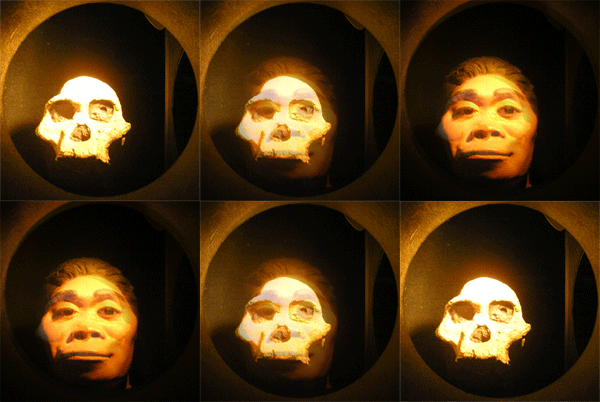
Transforming Australopithecus skull
Courtesy Keith Schengili-Roberts
Bat Cave
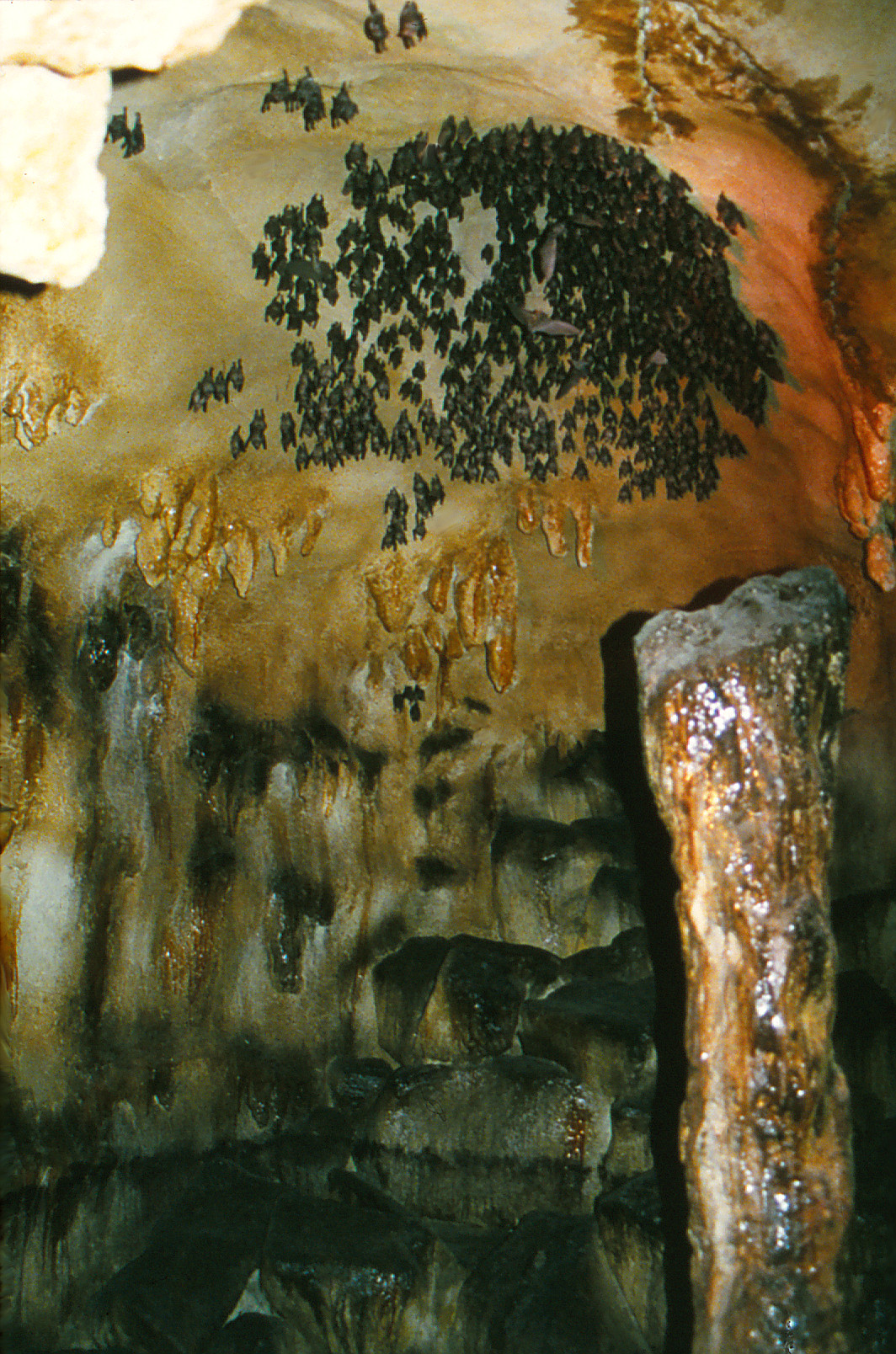
Bat cave
Photo by Marc Hagen
June 2001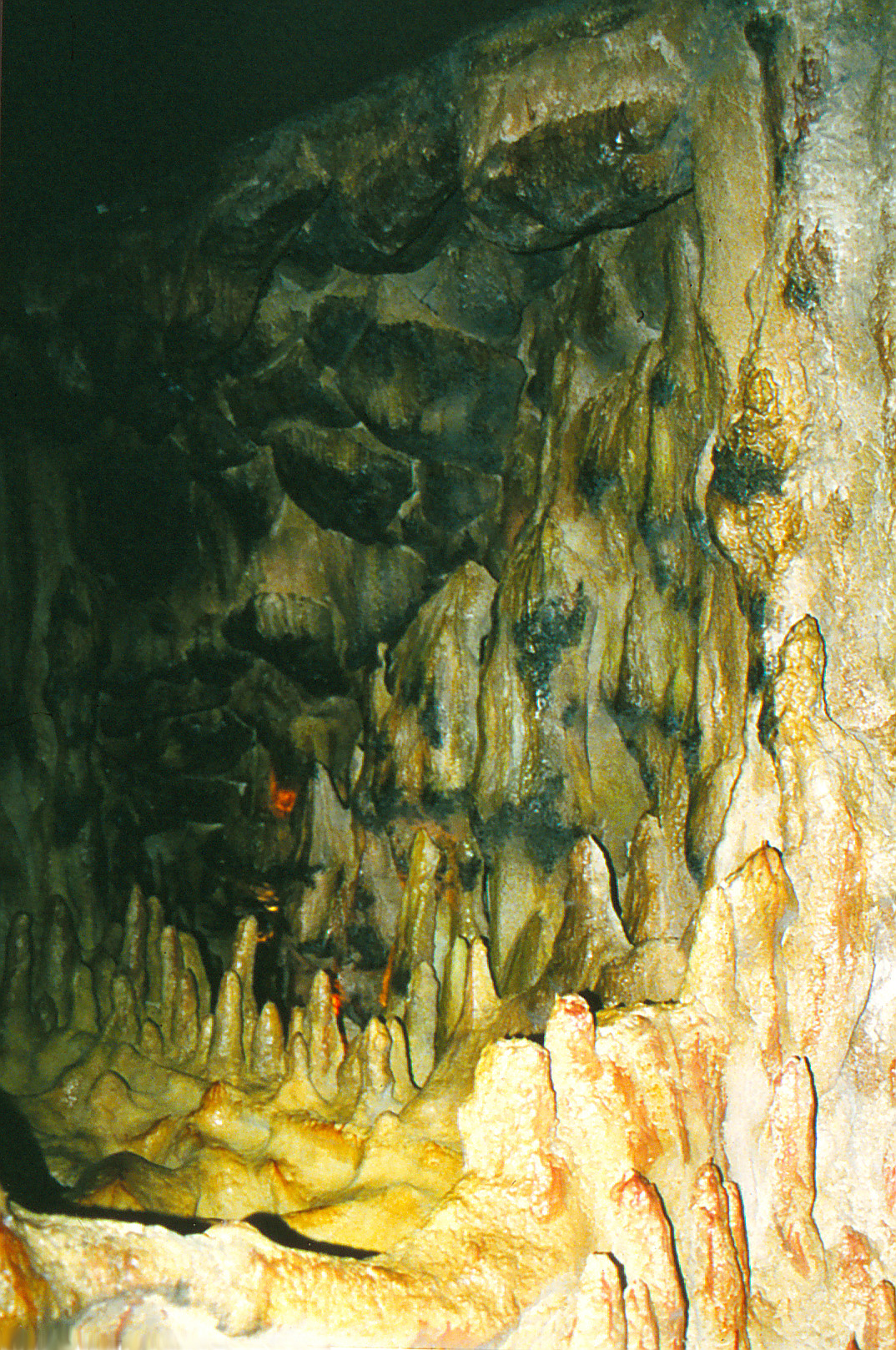
Bat cave
Photo by Marc Hagen
June 2001
McLaughlin Planetarium
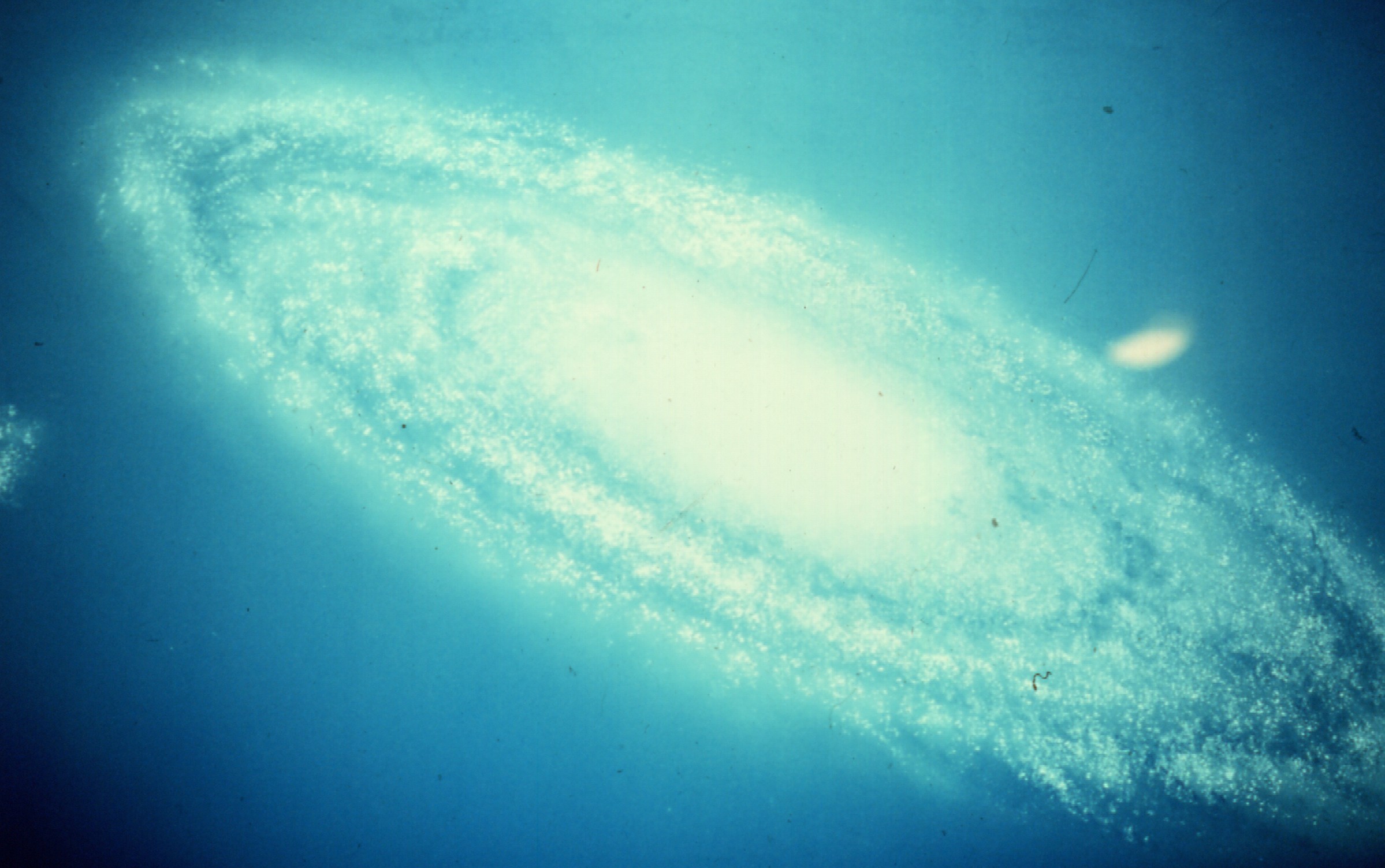
Andromeda Galaxy
Photo by Robert Taylor
April 1974
References
- Viola, D. (2017). "Revisiting Canada's Most Hated Building". Azure.
- Gamble, A. (2016). "Throwback Thursday: A Look Back at the Royal Ontario Museum before the Crystal". Skyrise Cities.
- Marshall, V.S. (2024). Post in the Friends Who Like Vintage Toronto Facebook group.
- Miller, B. (2024). "Last week @thepeanutpal.bsky.social asked if I had any photos from the old Royal Ontario Museum fossil halls.". Bluesky.
- MsZRowsdower (2024). "The ROM dinosaur exhibit used to be so cool". Reddit: r/toronto.
- Balkissoon, D. (2010). "The ROM reopens the bat cave". Toronto Star.